
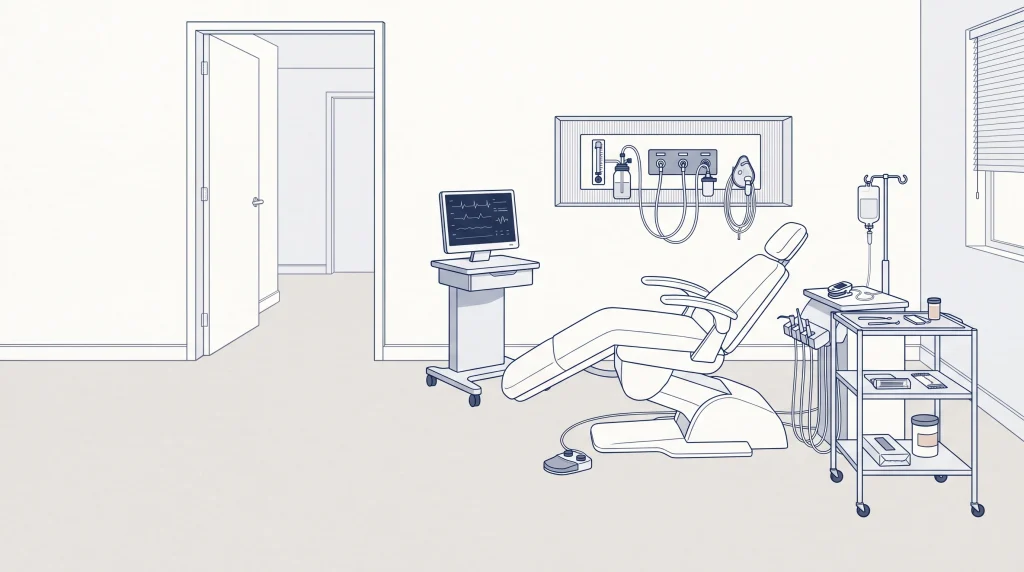
Sleep Dentistry in Beenleigh is often considered by patients who feel anxious about dental care, have a strong gag reflex or need longer treatment that may be difficult to manage while fully alert. The term can sound confusing, because it does not always mean you are fully asleep. In many dental settings, it refers to sedation options that may help you feel calmer and less aware of the appointment, depending on the type of sedation used and your individual suitability.
At Beenleigh Dental, sedation is discussed as part of an overall treatment plan, not as a one-size-fits-all service. Your dentist needs to assess your oral health, medical history, medications, anxiety level and the treatment involved before explaining whether sleep dentistry may be appropriate.
What does Sleep Dentistry in Beenleigh mean?
Sleep dentistry is a general phrase patients use for dental treatment provided with sedation. In practice, there are different levels of sedation, from feeling relaxed but awake through to deeper forms of sedation provided with specific monitoring and safety procedures.
The Dental Board of Australia codes and guidelines set professional expectations for registered dental practitioners, including responsibilities around sedation and patient care. Your dentist should explain which type of sedation is being considered, who provides it, what monitoring is involved and what instructions you need to follow.
| Term you may hear | What it generally means | What to keep in mind |
|---|---|---|
| Minimal sedation | You feel more relaxed but remain awake and able to respond normally | Often used for mild anxiety, depending on the appointment |
| Conscious sedation | You are drowsy and relaxed, but still able to respond to instructions | You may remember little of the procedure, but experiences vary |
| IV sedation | Sedative medication is given through a vein | Requires medical screening, monitoring and aftercare planning |
| General anaesthesia | You are unconscious for the procedure | Usually involves an anaesthetist and may occur in a hospital or day surgery setting |
The exact option discussed with you will depend on your health, treatment needs and the clinical setting available.
Who might consider sleep dentistry?
Sleep dentistry may be considered for patients who find dental treatment difficult because of anxiety, previous stressful experiences, a strong gag reflex or sensitivity to sounds, tastes and sensations during care. It may also be discussed for longer or more complex appointments, such as some surgical, restorative or root canal treatment procedures.
It is not automatically suitable for everyone. Some medical conditions, medications, pregnancy considerations, airway concerns, sleep apnoea or previous reactions to sedation may affect whether sedation is appropriate. This is why a proper assessment is needed before any recommendation is made.
If anxiety is your main concern, sedation is only one possible approach. Clear communication, shorter appointments, breaks during treatment and gradual care planning may also be helpful. Beenleigh Dental has a separate guide on what makes a good dental clinic for anxious patients if you would like to understand broader comfort options before deciding what to ask about.
What happens at the first consultation?
Before Sleep Dentistry in Beenleigh can be planned, your dentist will usually start with a discussion and dental examination. This helps identify the cause of your symptoms, the treatment options available and whether sedation should be considered at all.
You may be asked about your general health, medications, allergies, previous sedation or anaesthetic experiences, smoking or vaping, alcohol use and whether you have any breathing or heart-related conditions. It is important to answer these questions openly, even if a detail seems unrelated to your teeth, because sedation planning depends on your overall health.
Your dentist may also take X-rays or other records if needed. If you are new to the clinic, our guide to what happens during a new patient dental visit explains what a general examination may involve.
After the assessment, your dentist can talk through the recommended dental treatment, possible sedation options, risks, alternatives, fees and aftercare. You should have time to ask questions before giving consent. Consent means you understand what is being proposed, including the potential benefits and limitations.
How to prepare before a sedation appointment
Preparation can vary depending on the sedation method and the procedure. If IV sedation is planned, you will usually receive written instructions ahead of the appointment. These instructions matter, because not following them may mean the appointment needs to be changed for safety reasons.
Common preparation steps may include:
- Following fasting instructions exactly if they are provided by the dental team or sedation provider
- Arranging for a responsible adult to take you home and stay with you after the appointment, if required
- Avoiding alcohol before and after sedation as instructed
- Checking whether to take your regular medications on the day
- Wearing comfortable clothing and avoiding bulky jewellery around the face or neck
- Bringing relevant medical information, medication lists and health fund details if applicable
For practical appointment planning, you may also find Beenleigh Dental's guide on what to bring to your dental appointment in Beenleigh useful.
What to expect on the day
On the day of Sleep Dentistry in Beenleigh, the team will usually review your medical details, confirm your consent and check that you followed any pre-appointment instructions. If anything has changed, such as a new medication, recent illness or possible pregnancy, let the team know before treatment starts.
For IV sedation, a small cannula is usually placed into a vein so sedative medication can be given. Your breathing, oxygen levels, pulse and blood pressure may be monitored during the appointment. The exact monitoring depends on the sedation used and your circumstances.
Sedation does not replace local anaesthetic in many dental procedures. Your dentist may still use local anaesthetic to numb the area being treated, because sedation mainly affects awareness and relaxation rather than directly numbing the tooth or gum.
You may feel drowsy and have limited memory of the appointment. Some people remember parts of the visit, while others remember very little. Both experiences can occur and neither can be promised in advance.
Recovery after sleep dentistry
After sedation, you will usually spend time resting while the dental team checks that you are recovering appropriately. You may feel sleepy, light-headed or slower than usual for the rest of the day. The length of recovery varies between patients and depends on the medication used, treatment provided and your general health.
If you have had IV sedation or deeper sedation, you should not drive yourself home. You may also be advised not to operate machinery, drink alcohol, make major decisions or sign legal documents for a set period. Follow the instructions given to you by the dental team, because they are based on the sedation used in your appointment.
Eating and drinking instructions depend on the dental procedure. For example, after a filling you may need to wait until numbness wears off before chewing carefully. After oral surgery, you may be advised to follow a soft food diet and avoid disturbing the area.
Possible risks and limitations
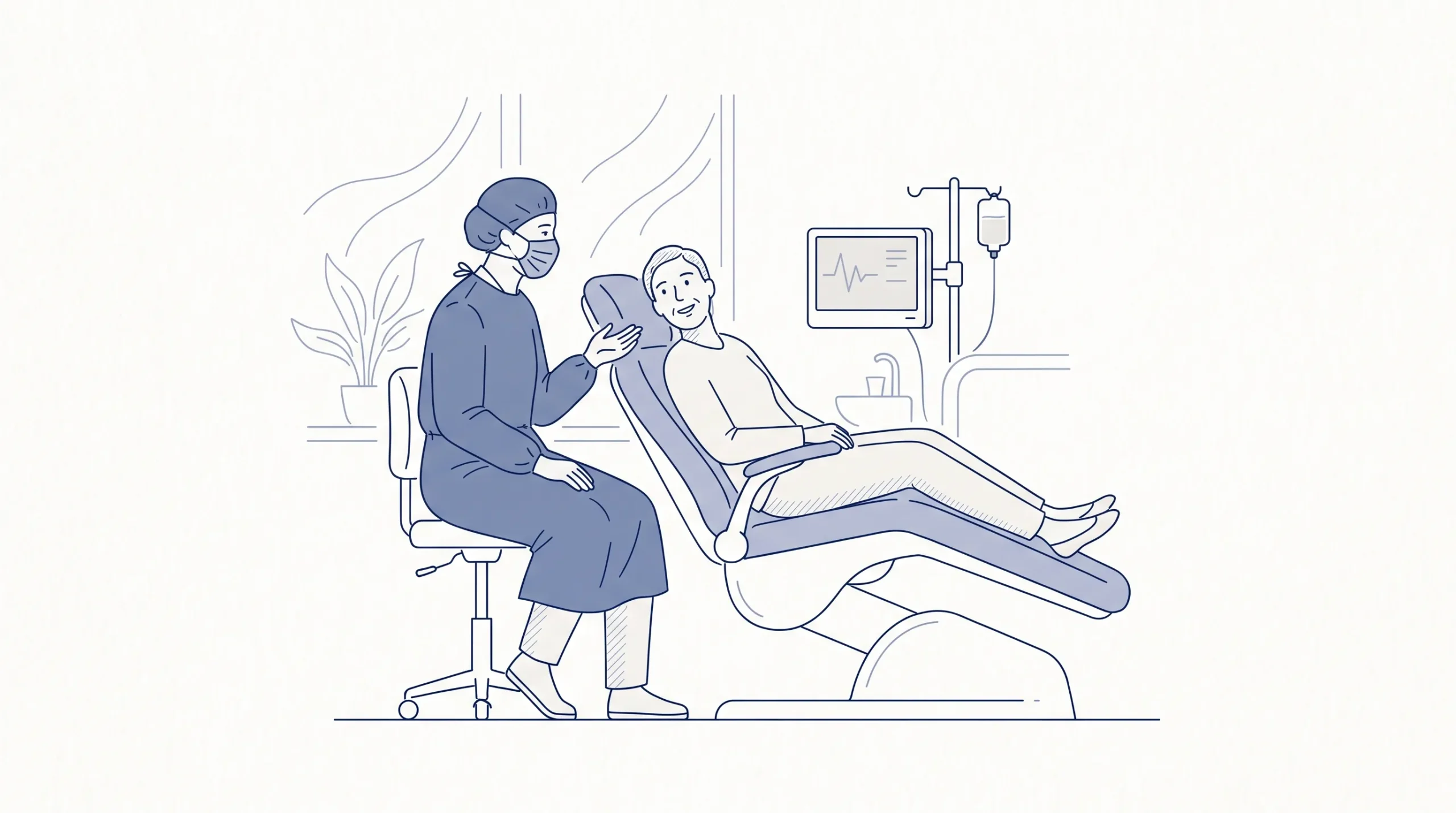
All dental procedures carry potential risks and benefits, and sedation adds its own considerations. Possible side effects may include drowsiness, nausea, temporary memory gaps, bruising where an IV cannula was placed or feeling unsteady for a period after treatment. More serious complications are uncommon but can occur, particularly in people with certain medical conditions or airway risks.
Sedation also has limitations. It does not guarantee that a procedure can be completed in one visit, and it does not make a treatment suitable if there are better or safer alternatives for your situation. Your dentist may recommend staged treatment, referral or a different approach depending on the clinical findings.
For some patients, medical clearance may be needed before sedation. Others may be advised that treatment in a hospital or specialist setting is more appropriate. General information about anaesthesia is available from Healthdirect, although your own instructions should come from the dental or medical team managing your care.
After any dental procedure, seek advice promptly if you develop symptoms such as difficulty breathing, swelling that affects swallowing, heavy bleeding, worsening pain, fever or signs of an allergic reaction.
Can sleep dentistry be used for emergency dental care?
If you have severe tooth pain, facial swelling, a broken tooth or dental trauma, an urgent dental assessment may be needed. Emergency dentistry focuses on identifying the cause of the problem and deciding what care is appropriate. In some cases, the first appointment may involve pain relief, drainage of infection, a temporary restoration or a referral rather than definitive treatment under sedation.
Sleep Dentistry in Beenleigh may be discussed for some urgent or complex situations, but sedation often requires preparation, medical screening and an escort home. It should not be assumed that IV sedation can always be arranged on the same day. If you are in pain, contact the clinic so the team can advise what type of appointment is appropriate.
Costs, payment plans and informed decisions
The cost of sedation depends on several factors, including the dental treatment required, the type of sedation, appointment length, the team involved and any follow-up care. A simple filling with minimal sedation will usually be planned differently from surgical treatment, dental implants or multiple procedures completed in one visit.
Beenleigh Dental offers payment plans, but the details and suitability of any payment option should be confirmed directly with the clinic. Before you proceed, ask for a written estimate that separates the dental treatment, sedation-related fees and any expected review appointments where possible.
Cost is only one part of the decision. It is also reasonable to ask why sedation is being recommended, what alternatives exist, what risks apply to you and what may happen if you choose to delay or decline treatment.
Questions to ask before booking
Before booking a sedation appointment, consider asking:
- Which type of sedation is being recommended for my situation?
- Who will provide the sedation and what monitoring will be used?
- What are the main risks in my case?
- Do I need to fast or change any medications before the appointment?
- Will I need someone to take me home and stay with me afterwards?
- What dental treatment will be completed, and what might need another visit?
- What are the alternatives if I decide not to have sedation?
These questions can make the appointment easier to understand and help you make an informed decision that fits your needs.
Frequently Asked Questions
Is sleep dentistry the same as being fully asleep? Not always. Many patients use the term sleep dentistry to describe IV sedation or conscious sedation, where you are very relaxed and may remember little, but you are not necessarily fully unconscious. General anaesthesia is different and involves a deeper level of anaesthesia.
Can I drive home after IV sedation? Usually no. If IV sedation or deeper sedation is used, you will generally need a responsible adult to take you home. You may also be advised to avoid driving for a set period after the appointment. Follow the instructions given by your dental team.
Will I still need local anaesthetic? Often, yes. Sedation may help with relaxation and awareness, but many dental procedures still require local anaesthetic to numb the treatment area. Your dentist can explain what is likely for your planned treatment.
Is sleep dentistry suitable for children? Sedation for children requires careful assessment and planning. Suitability depends on the child’s age, health, treatment needs, anxiety level and the type of sedation being considered. A dentist can explain appropriate options after examining the child and discussing their medical history with a parent or guardian.
Can sleep dentistry be used for cosmetic dentistry? It may be considered for some cosmetic dentistry appointments, depending on the treatment and the patient’s suitability. Cosmetic treatment should still be planned carefully, with discussion of benefits, risks, alternatives and realistic expectations.
Discussing sleep dentistry with Beenleigh Dental
Sleep Dentistry in Beenleigh can be useful to discuss if anxiety, gagging or complex treatment has made dental care difficult for you. A dental examination is the first step, because your dentist needs to understand your oral health and medical background before recommending any sedation option.
To discuss your concerns, you can contact Beenleigh Dental to arrange an assessment in Beenleigh. Your dentist can explain the potential benefits, risks and alternatives so you can decide what feels appropriate for your circumstances.