

If you have searched for a good dental clinic near me because the thought of a dental visit makes your stomach tighten, the right fit is not only about location. For anxious patients, a good clinic should make care feel understandable, respectful and manageable before any treatment is discussed.
Dental anxiety can come from many places, including a difficult past appointment, fear of discomfort, embarrassment about oral health, cost concerns or feeling out of control in the chair. A dental team cannot diagnose the cause of anxiety from a blog article, but they can create a setting where you have time to ask questions, understand your choices and give informed consent.
What a good dental clinic near me should offer anxious patients
A good clinic for anxious patients should take anxiety seriously without making it the whole focus of the appointment. Some people want extra explanation. Others prefer fewer details and a clear signal they can use if they need a break. Both preferences are reasonable.
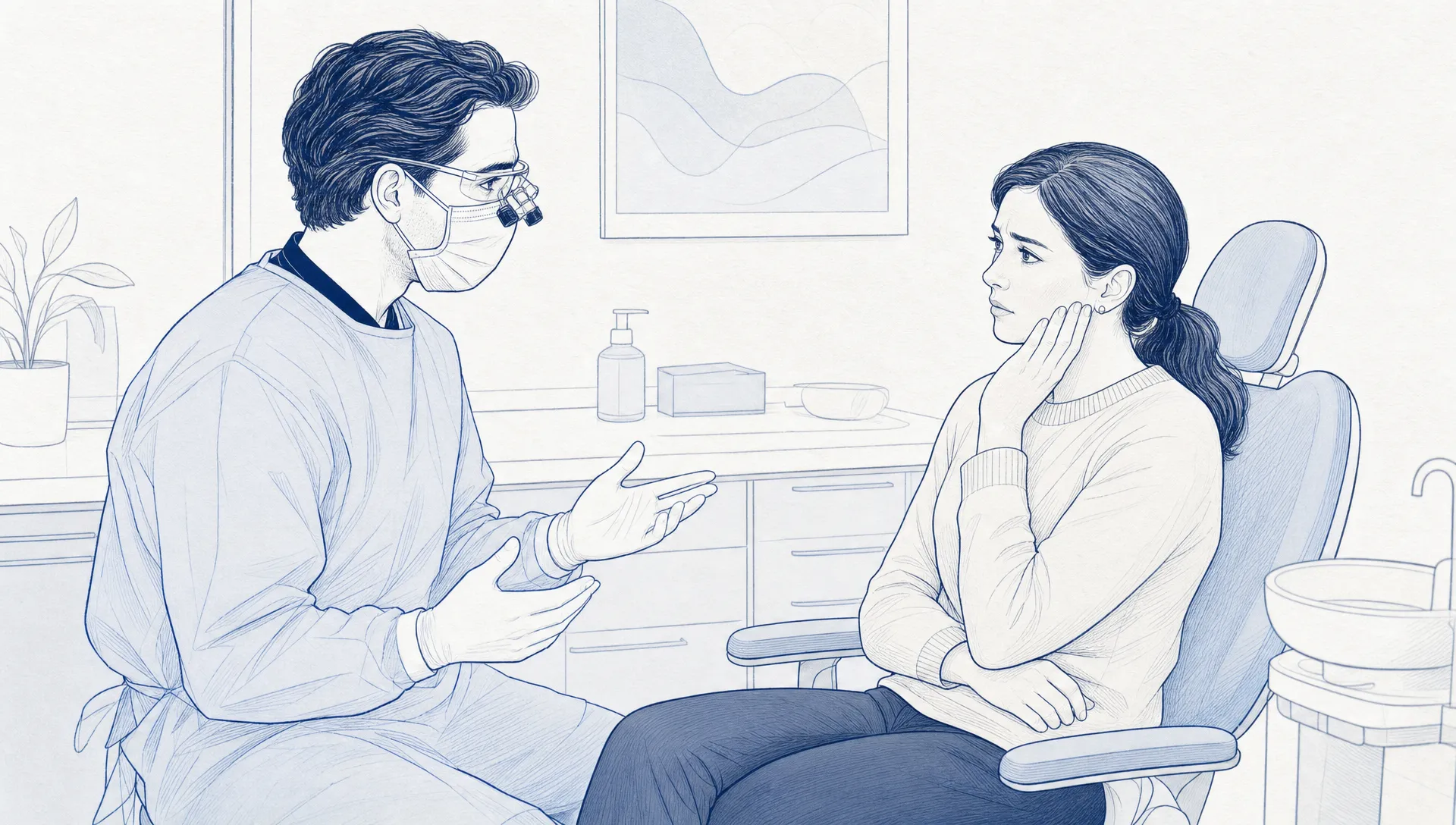
Look for a clinic that asks about your concerns before treatment starts. This might include whether you have had a difficult experience before, whether certain sounds or sensations bother you or whether you need more time to feel ready. For many people, choosing a good dental clinic near me is about finding a team that listens carefully rather than rushing through the appointment.
It also helps when the clinic explains what is urgent, what can be monitored and what treatment options may be available. This supports informed decision-making and reduces the feeling that everything needs to be decided at once.
Clear communication before anyone starts treatment
Clear communication is one of the strongest signs that a clinic is suitable for anxious patients. You should be able to understand what the dentist is checking, what they have found and what may happen next in plain language.
When comparing options after typing good dental clinic near me, look for practical signs of good communication, such as:
- The team explains the examination before it begins.
- You are invited to ask questions without feeling rushed.
- Treatment options are discussed with potential benefits, limitations and risks.
- Costs, appointments and payment options are explained before you commit.
- You can agree on a stop signal if you feel overwhelmed.
A clinic should also respect that you may not be ready for treatment at the first visit unless it is clinically necessary. In many cases, an initial examination and discussion can be a helpful starting point.
A calm environment can reduce the pressure of the visit
The physical space of a dental clinic matters more than some people realise. Anxious patients may feel more settled when reception areas are uncluttered, signage is clear and the team communicates calmly.
A calm clinic does not need to feel silent or overly formal. What matters is whether the setting supports privacy, clear instructions and predictable flow. Small details, such as being told where to wait, how long an appointment may take and what to do if you feel unwell, can make the experience feel less uncertain.
For patients in Beenleigh, Eagleby, Mount Warren Park, Waterford, Loganholme and Bethania, local access may also reduce stress because the clinic is easier to reach before and after the appointment.
Sedation and comfort options should be explained carefully
A good dental clinic near me should be able to discuss comfort options honestly, including what may and may not be suitable for your circumstances. Comfort support may include taking short breaks, using local anaesthetic where appropriate, explaining sensations before they happen or considering sedation options for selected patients.
Sedation is sometimes called sleep dentistry, although the exact type of sedation and level of awareness can vary. It is not suitable for everyone and should only be considered after a dental and medical assessment. Your medical history, medications, the type of procedure and your ability to follow pre-appointment and aftercare instructions all matter.
All dental procedures carry potential risks and benefits. Sedation can also involve risks, such as drowsiness, nausea or the need for someone to take you home, depending on the method used. A dentist can explain whether a sedation option may be appropriate and what alternatives are available.
Practical details that help anxious patients feel prepared
Uncertainty can make anxiety worse. If the phrase good dental clinic near me led you to compare local options, pay attention to how easy it is to understand appointment steps before you arrive.
| Clinic feature | Why it may help anxious patients | What to ask before booking |
|---|---|---|
| Clear appointment information | Reduces uncertainty about what will happen | “Is this visit mainly an examination, consultation or treatment?” |
| Flexible treatment planning | Allows care to be staged where clinically appropriate | “Can we discuss priorities before deciding?” |
| Payment plan information | Helps reduce cost-related stress | “What payment options are available for this type of care?” |
| Emergency appointment guidance | Helps patients understand what needs prompt care | “Do my symptoms need urgent dental assessment?” |
| Online booking | May feel easier for patients who find phone calls stressful | “Can I include notes about dental anxiety when booking?” |
Beenleigh Dental welcomes new patients and offers online appointment booking, treatment consultations and payment plans. Suitability for any treatment depends on your oral health, medical history and individual needs.
Reviews and online information should be read carefully
Reviews can give a general sense of how a clinic communicates, but they should not be treated as proof of a clinical outcome. In Australia, regulated health service advertising has rules around testimonials and treatment claims, so clinic websites should avoid using patient stories that promote clinical results.
For anxious patients, it is usually more helpful to look for practical themes rather than dramatic claims. Does the clinic explain appointments clearly? Do patients mention communication, timing, access or administrative support? Are the reviews recent enough to be useful?
If you are comparing options locally, Beenleigh Dental has a separate guide on how to read dentist reviews carefully before you book. You may also find it useful to compare broader factors in a local dental clinic, including registration, services and treatment planning.
Local access matters when anxiety is already high
Travel, parking, timing and familiarity can all affect how manageable a dental appointment feels. A clinic close to home, work or school may make it easier to attend a consultation, return for follow-up care or bring a support person if needed.
For anxious parents or carers searching for a good dental clinic near me, local convenience can also matter when children are attending. A family dental setting may help children become familiar with routine check-ups, preventive advice and age-appropriate explanations over time.
If you are preparing for your first appointment, consider writing down your main concerns, current medications, allergies and any previous dental experiences that may affect your care. This gives the dentist useful context and helps you avoid trying to remember everything while feeling nervous. Beenleigh Dental’s guide to questions to ask at your first dental visit can help you plan what to discuss.
Questions anxious patients can ask before booking
You do not need to have all the right words. A few simple questions can help you understand whether a clinic’s approach suits you.
Useful questions include:
- “Can I let the dentist know I feel anxious before the appointment?”
- “Can the first visit be used to discuss concerns and check my teeth?”
- “What happens if I need a break during treatment?”
- “Will I receive an explanation of options before deciding?”
- “Are sedation or other comfort options available if clinically appropriate?”
- “Can I bring a support person?”
- “How are costs and payment options explained?”
The answers should be clear and realistic. Be cautious if a clinic promises a particular result, says treatment is suitable without examining you or suggests there are no risks.
When to seek prompt dental advice
Anxiety is understandable, but some symptoms should not be ignored. Prompt dental assessment may be needed if you have facial swelling, dental trauma, uncontrolled bleeding, severe toothache, a broken tooth with pain or signs of infection such as fever. If swelling affects breathing or swallowing, seek urgent medical care.
A same-day dental appointment may be appropriate for some concerns, but the urgency depends on your symptoms and overall health. Calling the clinic and explaining what is happening can help the team guide you on the next step. If you are unsure, it is reasonable to ask whether your symptoms need urgent assessment or whether a standard appointment is suitable.
Frequently Asked Questions
How do I find a good dental clinic near me if I feel anxious? Look for a clinic that communicates clearly, explains options without pressure and allows you to discuss anxiety before treatment starts. Local access, clear costs and the ability to ask questions can also make appointments feel more manageable.
Can I see a dentist just to talk about my concerns first? Many patients start with an examination or consultation. Whether treatment is needed depends on the findings, your symptoms and your preferences. You can ask what the first appointment will involve before booking.
Is sedation always needed for dental anxiety? No. Some patients feel more comfortable with clear explanations, breaks and local anaesthetic where appropriate. Sedation may be considered for some people, but suitability depends on a clinical assessment and medical history.
Should I be embarrassed if I have not seen a dentist for years? No. Dentists regularly see patients with different dental histories and levels of anxiety. The purpose of an appointment is to assess your oral health and discuss options, not to judge you.
Discuss your concerns with a Beenleigh dental team
If dental anxiety has made it harder to book an appointment, a calm first step can be to arrange an assessment and explain your concerns when booking. Your dentist can check your oral health, discuss possible options and outline the potential benefits, limitations and risks of any recommended care.
To discuss your needs, you can contact Beenleigh Dental in Beenleigh or use the clinic’s online booking option to arrange an appointment at a time that suits you.