
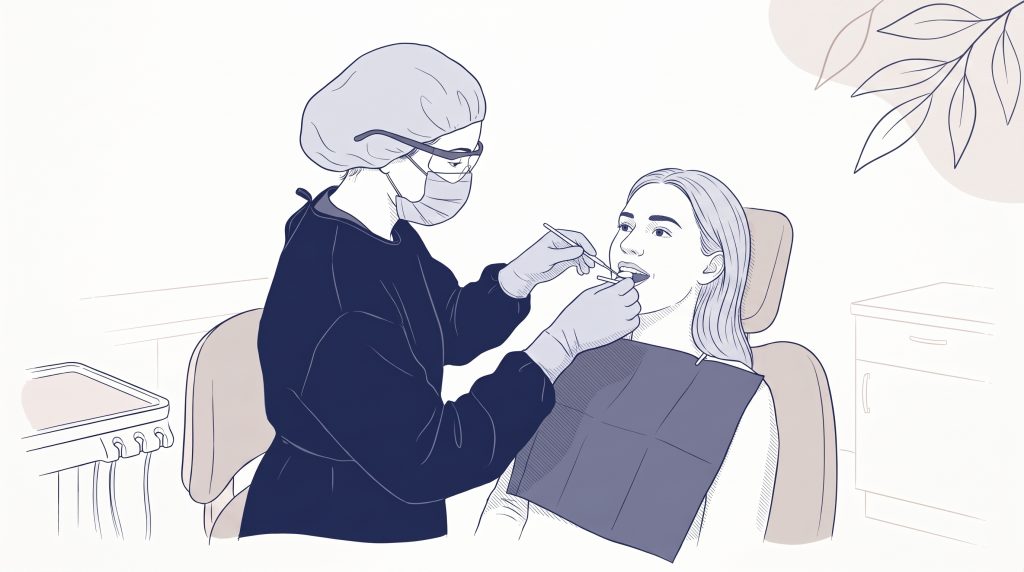
If you are searching for a good dentist near me, you may be looking for more than someone to fix a tooth when it hurts. A preventive-focused dentist helps you understand your oral health, identify early signs of decay or gum disease and choose care that suits your needs. For patients in Beenleigh, Eagleby, Mount Warren Park, Waterford, Loganholme and nearby suburbs, this often means finding a clinic that explains things clearly and makes regular care feel manageable.
Preventive dental care does not mean having treatment you do not need. It means using regular check-ups, cleaning, tailored advice and risk assessment to reduce avoidable problems where possible. This guide explains what prevention can include, what an appointment may involve and how to think about choosing a dental team for ongoing care.
If you are searching for a good dentist near me, look for prevention first
A preventive approach begins with listening. Your dentist should ask about your concerns, medical history, diet, home care routine and any changes you have noticed, such as bleeding gums, sensitivity, bad breath or jaw discomfort. These details help your dentist understand what may be contributing to your oral health risks.
Prevention also relies on clear explanations. If a dentist recommends X-rays, fluoride, a mouthguard, gum care or more frequent reviews, they should explain why it may be relevant and what alternatives may be available. A clinical assessment is needed before any recommendation can be made, as suitability depends on your teeth, gums, medical history and individual circumstances.
When someone types good dentist near me into a search bar, they may be trying to find a clinic that is practical, approachable and focused on avoiding bigger dental problems where possible.
What preventive dental care usually includes
Preventive dental care is a broad term. It can include everyday advice, professional cleaning, early diagnosis and planning for risk factors that may affect your teeth or gums over time. The Healthdirect dental care guide notes that regular dental care can help identify problems early, although the right timing for visits can vary between people.
| Preventive focus | What it may involve | Why your dentist may discuss it |
|---|---|---|
| Dental examination | Checking teeth, gums, bite, soft tissues and existing fillings | To look for early signs of decay, gum inflammation, wear or other concerns |
| Scale and clean | Removing plaque and hardened calculus where clinically indicated | To support gum health and make home cleaning more effective |
| X-rays | Small diagnostic images when needed | To help detect issues that cannot be seen easily in the mouth |
| Fluoride or fissure sealants | Protective options that may be considered for some patients | To help manage decay risk, particularly for children or patients with higher risk |
| Home care advice | Brushing, flossing or interdental cleaning guidance | To make daily routines easier and more effective |
A good dentist near me should be able to explain which of these are relevant to you, rather than applying the same plan to every patient.
How a dentist identifies risk before problems become obvious
Tooth decay and gum disease can develop without much discomfort at first. Preventive dentistry aims to identify risk factors early, before a small concern becomes harder to manage. This does not mean every mark or change needs treatment. Sometimes monitoring, improving plaque control or adjusting habits may be appropriate.
Your dentist may look at factors such as dry mouth, snacking frequency, acidic drinks, smoking, diabetes, grinding, crowded teeth and previous dental history. They may also check whether existing fillings, crowns, dentures or implants are being cleaned effectively.
The Australian Dental Association patient resource Teeth.org.au provides general oral health information for patients, including guidance on brushing, flossing and common dental conditions. Your own dentist can then relate general advice to your mouth and your risk profile.
Prevention across different ages and stages
Preventive dental care changes as life changes. Children may need support with brushing technique, diet habits and confidence at check-ups. Teenagers may need advice about sports mouthguards, orthodontic concerns or wisdom teeth. Adults may be managing gum health, cracked teeth, tooth wear or cosmetic goals. Older adults may need help caring for dentures, implants, dry mouth or complex dental work.
For families, continuity can be useful because the dental team can track changes over time. If you are comparing options for children, teenagers and adults in the same household, Beenleigh Dental has a related guide on how a family dental clinic supports oral health at every age.
A good dentist near me will not assume that prevention looks the same for a child, a busy parent and an older adult with multiple restorations.
What a preventive appointment may involve
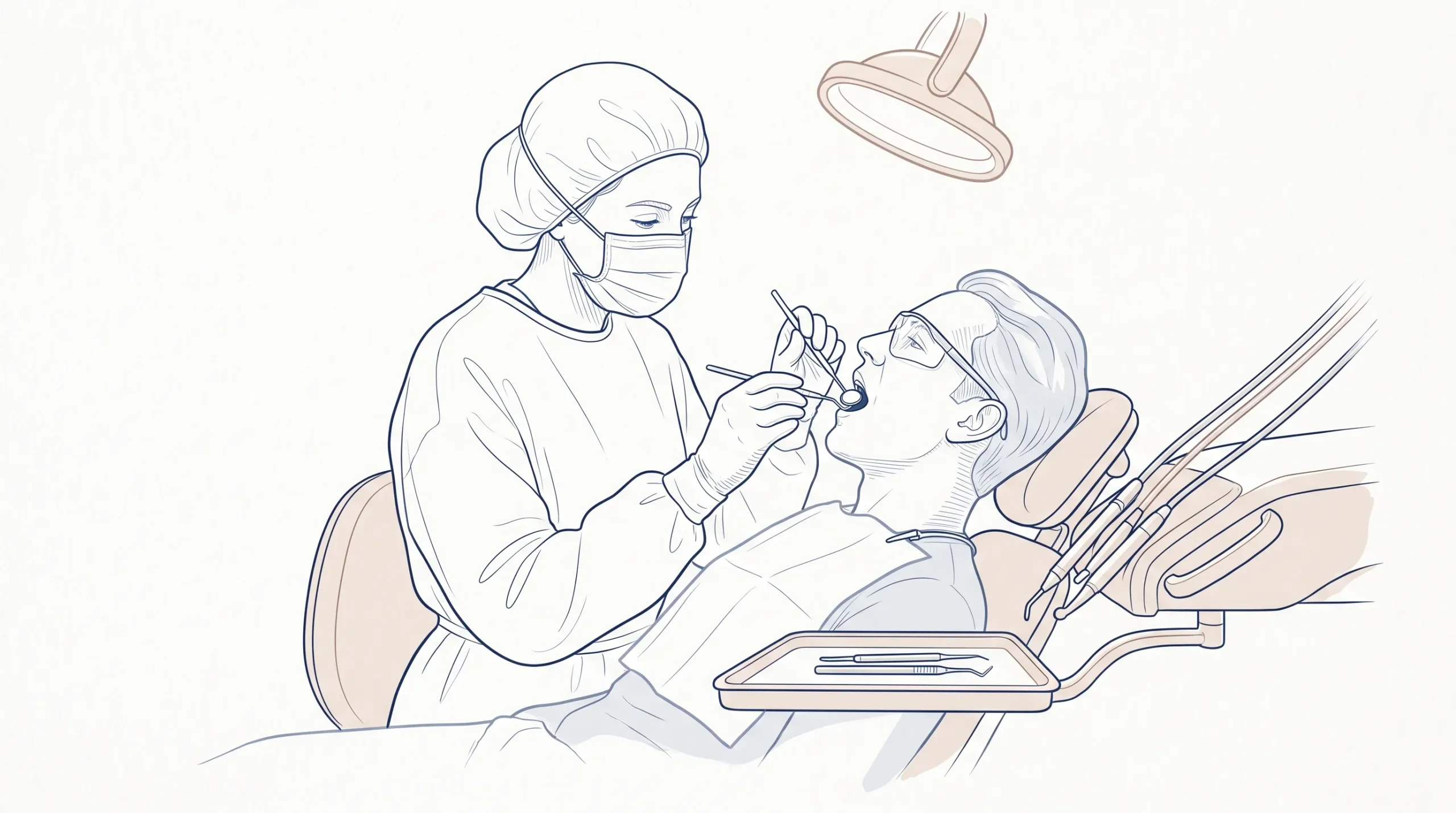
A preventive dental visit is usually structured but should still feel like a conversation. Your dentist may begin by asking what has changed since your last visit and whether you have any symptoms or concerns. They may then examine your teeth, gums, bite and soft tissues, and discuss whether X-rays are appropriate.
Depending on your needs, your appointment may include:
- A discussion about your medical history, medications and dental concerns
- An examination of your teeth, gums, jaw and soft tissues
- X-rays if they are clinically indicated
- Professional cleaning, if suitable for your gum health needs
- Advice on brushing, flossing, interdental brushes or other home care tools
- A plan for monitoring, prevention or treatment if concerns are found
All dental procedures carry potential benefits, limitations and risks. For example, scaling may cause temporary sensitivity for some people, and X-rays are only recommended when the diagnostic benefit is considered appropriate. Your dentist should explain what is being recommended and why.
Communication is part of prevention
Good preventive care is not only about instruments and clinical checks. It also depends on communication that helps you make informed decisions. If something is unclear, you should feel able to ask what has been found, what may happen if it is monitored and what options may be available.
Useful questions can include:
- Is this concern active or something to monitor?
- What can I do at home to reduce my risk?
- Are there alternatives to the recommended treatment?
- What are the possible risks, costs and timeframes?
If you are preparing for a first appointment, this guide to questions to ask at your first dental visit may help you feel more prepared.
A good dentist should make prevention practical
Preventive advice needs to fit real life. Telling someone to floss more is not very helpful if they find floss difficult to use, have arthritis, wear braces or have tight spaces between teeth. A practical dentist can suggest alternatives such as interdental brushes, floss holders or changes in technique where appropriate.
The same applies to diet advice. Rather than focusing on blame, your dentist may ask about acidic drinks, grazing habits or dry mouth and then suggest realistic changes. Small adjustments may help reduce risk, although results vary and depend on many factors.
For people around Beenleigh and the Logan area, practical prevention may also mean appointment times, online booking options, payment discussions and treatment planning that takes personal circumstances into account. Costs and payment arrangements should be discussed directly with the clinic before treatment begins.
Supporting anxious patients with preventive care
Dental anxiety is common, and it can make preventive visits harder to keep up with. A calm, clear approach can make appointments more predictable. This may include explaining each stage before it happens, agreeing on breaks, checking consent and discussing comfort options.
Some patients may ask about sedation or sleep dentistry. These options are not suitable for everyone and require an assessment of your health, treatment needs and risks. If anxiety has been keeping you away from dental care, it may be worth reading about what makes a good dental clinic for anxious patients.
Searching for a good dentist near me can be part of finding a setting where prevention feels less overwhelming and more achievable.
When prevention finds something that needs treatment
Sometimes a check-up identifies an issue that may need more than monitoring. This might include active decay, gum disease, a cracked tooth, infection, a failing filling or a painful wisdom tooth. Finding a problem during a preventive visit does not mean treatment should be rushed without explanation.
Your dentist should discuss the findings, possible causes, treatment options, likely timeframes, costs, benefits, limitations and risks. In some cases, there may be more than one reasonable approach. For example, a tooth with a large filling may be monitored, repaired or restored differently depending on how much healthy tooth structure remains and whether symptoms are present.
Emergency symptoms are different. Facial swelling, uncontrolled bleeding, trauma, fever with dental pain or severe pain may need prompt professional assessment. If you are unsure whether symptoms are urgent, contact a dental clinic or appropriate health service for advice.
Choosing preventive dental care around Beenleigh
If you live or work near Beenleigh, it can be helpful to choose a clinic you can realistically attend for ongoing care. Preventive dentistry is usually most useful when it is consistent, because your dentist can compare changes over time.
A good dentist near me is not just a convenient search result. It is someone who can assess your oral health, explain your risks and help you decide what care may be suitable.
Frequently asked questions
How often should I see a dentist for preventive care? The right timing varies. Some people may be advised to attend every six months, while others may need more or less frequent visits depending on decay risk, gum health, medical history and previous dental treatment. Your dentist can recommend a review interval after assessing your mouth.
Can preventive dental care stop all cavities and gum problems? No. Preventive care may reduce risk and help identify problems earlier, but it cannot guarantee that decay or gum disease will not occur. Diet, oral hygiene, saliva, medical conditions, medications and genetics can all play a role.
What should I expect if I have not seen a dentist for a long time? Your dentist will usually start with an examination and a conversation about your concerns. They may recommend X-rays, cleaning or a staged treatment plan if several issues are found. You can ask for priorities, options and costs to be explained before deciding what to do.
Is a scale and clean always needed at a check-up? Not always. Professional cleaning is recommended when it is clinically appropriate, such as when plaque or calculus is affecting gum health. Your dentist or oral health professional can explain whether it is needed and what to expect.
How do I choose a good dentist near me for my family? Look for clear communication, preventive advice, age-appropriate care, transparent discussions about options and a clinic that is practical for your location and schedule. A dental examination is still needed before any treatment recommendations can be made.
Discuss preventive dental care in Beenleigh
If your search for a good dentist near me has brought you to Beenleigh Dental, a preventive appointment can help clarify what is happening in your mouth and which options may be appropriate. The team provides general, family, cosmetic, emergency and restorative dental care in Beenleigh, with online booking and payment plan discussions available.
To discuss your concerns, you can book an appointment with Beenleigh Dental. Your dentist can assess your oral health, explain potential benefits and risks, and help you consider a plan that suits your individual needs.