

If you are wondering, “What happens at my first dental visit?”, the appointment usually starts with a conversation about your health and concerns, followed by an examination. X-rays, cleaning or treatment may be recommended depending on what your dentist finds, but they are not automatically part of every visit. You can ask questions, request a pause and discuss costs before agreeing to care.
Whether you have never visited a dentist, are changing clinics or are returning after a long break, a little preparation can make the appointment feel more manageable.
Start with the reason for your appointment
When booking, explain what has prompted your visit. A routine check-up, a broken tooth and ongoing toothache may need different appointment arrangements. Mention symptoms such as pain, swelling, bleeding gums or difficulty chewing, including when they started.
You do not need to know which treatment you need. Describing the problem in your own words gives the team a useful starting point.
If it has been several years since your last appointment, simply say so. There is no need to apologise or try to explain everything over the phone. Your dentist can assess your current oral health and discuss priorities without expecting you to address every concern at once.
Ask how long to allow and whether the booking is for an assessment only or may include other care.
How should I prepare for my first dental visit?
The most useful preparation is gathering information that could affect your care. If you have previous dental records or recent X-rays, ask whether these can be transferred securely. Your new dentist will decide whether they provide enough information for your current needs.
Bring or have access to:
- A list of medicines, including supplements and non-prescription medicines
- Details of allergies, medical conditions and previous reactions to dental treatment
- Any relevant referral letters or previous dental information
- Your private health insurance details, if applicable
- A short note of your main concerns and questions
Tell the team if you are pregnant or may be pregnant. Also mention access requirements, communication preferences or anything that makes dental appointments difficult for you.
For an ordinary examination, fasting is generally unnecessary unless the clinic has specifically instructed otherwise. Follow any individual instructions, particularly if sedation is being considered. Do not stop prescribed medicines without advice from your treating clinician.
Brush as you normally would. Extra scrubbing or vigorous flossing just before the appointment is unnecessary and may irritate your gums.
What might happen during the examination?
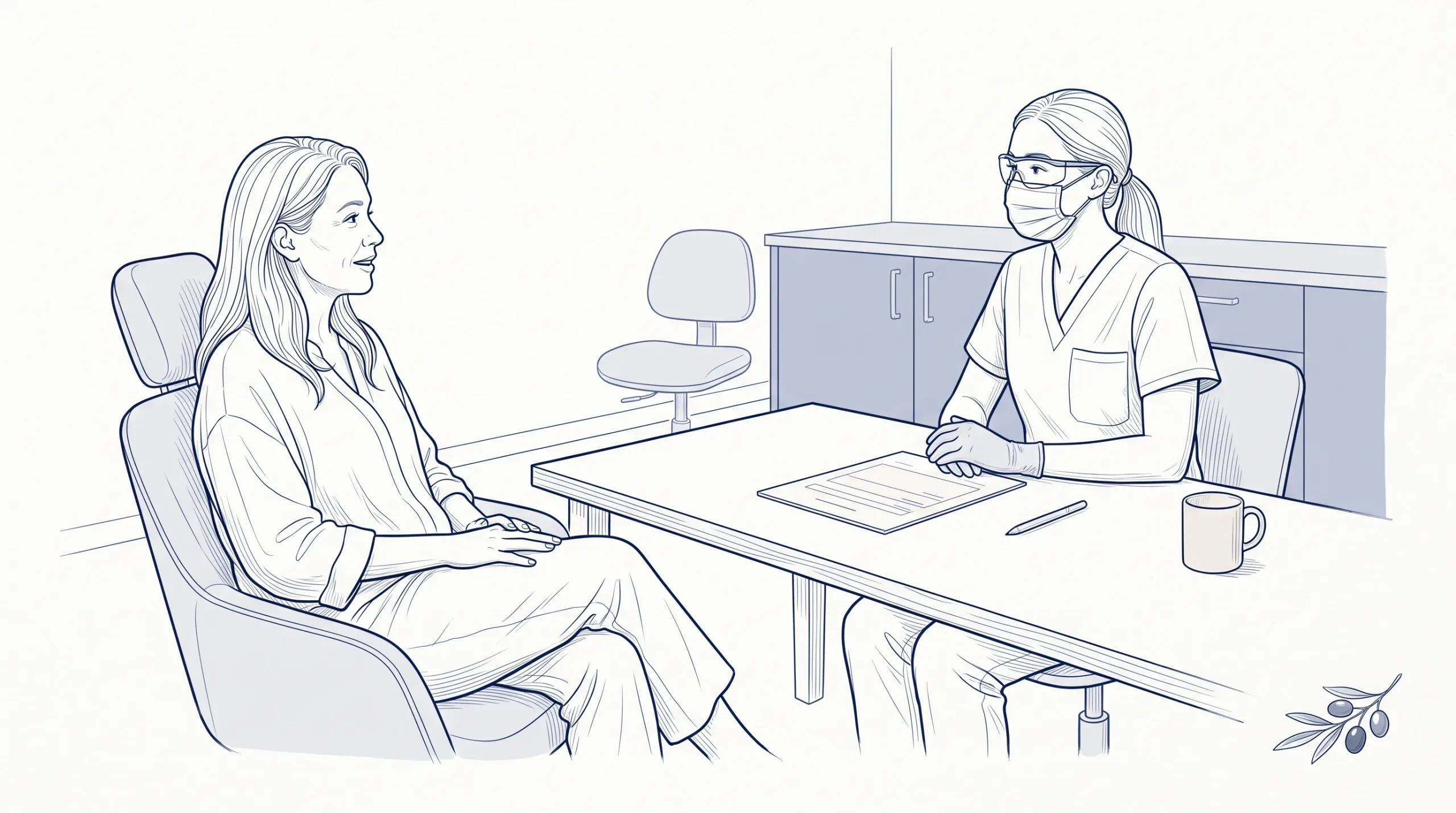
Your dentist will usually review your medical and dental history before looking inside your mouth. Tell them what matters most to you, whether that is understanding a symptom, maintaining your teeth or discussing a treatment option.
| Part of the appointment | What it may involve |
|---|---|
| Discussion | Reviewing symptoms, medicines, previous care and your priorities |
| Examination | Checking teeth, gums, existing dental work and the soft tissues of your mouth |
| Additional assessment | Taking X-rays or measuring gum health when clinically indicated |
| Planning | Explaining findings, options, likely costs and appropriate follow-up |
X-rays can help assess areas that are not visible during an examination, such as between teeth. They involve exposure to ionising radiation, so the dentist should consider whether they are needed rather than taking them automatically.
If you are asking, “Will I have treatment at my first dental visit?”, the answer depends on your needs, available time and consent. A cleaning may be offered, but some people need a separate appointment or a different approach to gum care.
An examination also has limitations. Some concerns need further tests, monitoring or referral before a diagnosis or treatment plan can be confirmed.
What if I feel anxious or need adjustments?
Tell the clinic before your appointment if you feel nervous. It helps to explain the particular difficulty, such as needles, unfamiliar sounds, a strong gag reflex or feeling unable to stop a procedure.
You can ask the dentist to explain each stage before starting and agree on a hand signal for a pause. If you would like a support person present, ask about the arrangements when booking rather than assuming this will be possible for every procedure.
The Healthdirect guide to dental anxiety explains common concerns and ways to discuss them with a dental team. Our guide to choosing a dental clinic when you feel anxious also covers communication and practical considerations.
Sedation is an option for some patients, not a requirement for everyone who feels nervous. It needs an individual assessment and has its own risks, preparation requirements and costs.
Understanding findings, choices and costs
After the examination, ask your dentist to separate any time-sensitive concerns from issues that can be monitored or considered later. You should understand what has been found and why a particular option is being suggested.
Treatment discussions should cover potential benefits, risks, alternatives and what may happen if you choose to wait or decline. Depending on the finding, monitoring may be reasonable, while other concerns need earlier attention. Outcomes and experiences vary between patients.
Before agreeing to treatment, ask for an estimate and clarify what it includes. Private health benefits depend on your policy, waiting periods and available limits, so confirm these with your insurer. Beenleigh Dental offers payment plans, and you can ask about current terms and eligibility rather than assuming every arrangement will suit your circumstances.
Writing down “What do I need to decide after my first dental visit?” can help keep the conversation focused. Our guide to questions to ask at your first dental appointment provides a more detailed checklist.
If you are preparing for your child’s first visit
A young child’s appointment may focus on becoming familiar with the setting, discussing home care and examining their mouth as much as they comfortably allow. The approach depends on their age, development and needs.
Use simple, neutral language about the dentist checking their teeth. Avoid promises that nothing will feel uncomfortable, and let the team know about sensory sensitivities or previous healthcare experiences.
Our guide to preparing children for dental check-ups offers more age-appropriate suggestions. Some eligible children can receive benefits for basic dental services through the Child Dental Benefits Schedule. Check eligibility, remaining benefits and any out-of-pocket costs before treatment.
Frequently asked questions
Will my first dental visit hurt? An examination may involve some discomfort, particularly if an area is already sore. Tell your dentist about sensitivity before they begin and speak up during the visit. If treatment is recommended, they can explain suitable pain-management options and their limitations.
Do I have to agree to treatment on the day? You can ask questions and take time to consider proposed care. If the dentist identifies something that needs prompt attention, ask them to explain the reason, available options and risks of delaying it.
How often will I need check-ups afterwards? Your dentist can recommend a review interval based on your oral health and risk factors. The appropriate timing is not the same for everyone.
When should I seek urgent help rather than wait for a routine visit? Contact a dentist promptly for increasing swelling, persistent or severe toothache, or a dental injury. If swelling affects breathing or swallowing, call 000 or attend an emergency department.
Arranging a visit in Beenleigh
Beenleigh Dental welcomes new patients and offers online appointment booking. When arranging your visit, mention your main concern and any support you may need. You can ask about appointment arrangements and costs beforehand, then discuss suitable care after an individual assessment.