
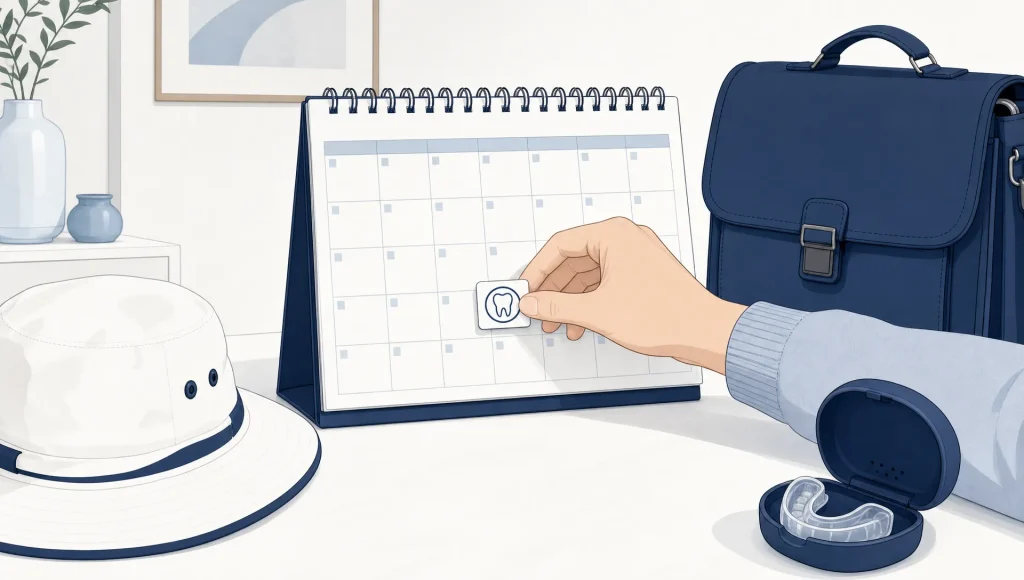
When you are comparing family dental care hours, the goal is not just finding the earliest or latest appointment. It is finding a time that works with school drop-offs, work rosters, sport, childcare, travel and the type of dental care each person needs.
For many families in Beenleigh, Eagleby, Mount Warren Park, Waterford, Loganholme and Bethania, dental visits are easiest to manage when they are planned like any other health appointment: with enough time, the right expectations and a little flexibility. Routine check-ups can often be booked ahead, while dental symptoms may need assessment sooner, even if the timing is less convenient.
This guide explains how to plan family dental visits around school and work without guessing what everyone needs or overbooking your week.
How to choose family dental care hours that fit school and work
Before choosing an appointment time, think about the purpose of the visit. A routine check-up, a child’s first dental visit, a filling appointment and an urgent toothache assessment all place different demands on your day.
If you are booking with Beenleigh Dental, check the current appointment availability when you book online or contact the clinic, as practice schedules can change. It is worth asking how long to allow, whether multiple family members can be seen on the same day and whether a longer treatment appointment may need a separate booking.
The Australian Dental Association’s patient information website explains that dental check-ups allow a dentist to assess the teeth, gums and mouth. How often you need appointments can vary depending on your oral health, dental history and risk factors, so your dentist can suggest a recall schedule that suits your circumstances.
A practical approach is to separate appointments into two groups. Preventive visits can usually be planned around school terms, work rosters and family calendars. Appointments for symptoms such as pain, swelling, a broken tooth or dental trauma should be discussed with a dental clinic sooner, because waiting for the most convenient time may not be appropriate.
Start with the family calendar, not the appointment book
It is tempting to look for the next available time first, then try to make the rest of the day fit around it. Families often have better luck doing the reverse.
Look at your normal week and identify the times that are already stressful. For some households, early mornings are difficult because of school lunches and commuting. For others, after-school appointments clash with sport, tutoring or tired children. Parents working shifts may find mid-morning easier than late afternoon.
When reviewing your calendar, consider:
- School start and finish times, including travel from the dental clinic back to school or home
- Work commitments that are harder to move, such as meetings, site work or shift changes
- Younger children’s nap times, meal times and attention span
- Whether a child may need time to settle before or after the visit
- Whether a parent or carer needs to attend with a child, older parent or family member with additional needs
If you need to take a child out of school for a dental appointment, allow enough time for signing in and out, travel and settling back into class. Schools may have their own attendance procedures, so it can help to check those in advance.
Which family dental visits are easiest to group together?
Grouping appointments can reduce travel time and time away from school or work. It is often most practical for routine check-ups or simple preventive care, rather than longer or more complex treatment.
For example, two children may be able to attend on the same day for routine examinations. An adult needing a more detailed discussion about restorative or cosmetic options may prefer a separate appointment so there is enough time to ask questions and understand the potential benefits, risks and alternatives.
If you are unsure what different family members may need, Beenleigh Dental’s guide to which oral health services your family may need can help you think through common options by age and stage before you book.
| Appointment type | Planning considerations | When grouping may work well |
|---|---|---|
| Routine check-up | Ask how long to allow and whether a clean or X-rays may be discussed | Often suitable for siblings or family members on the same day |
| Child dental visit | Choose a time when the child is usually rested and fed | May work well with one sibling, depending on age and temperament |
| Filling or restorative care | A dentist needs to assess the tooth before confirming treatment options | Usually better booked separately if treatment time is uncertain |
| Cosmetic or aligner consultation | Requires discussion of goals, suitability, limitations and possible alternatives | Often best as an individual appointment |
| Urgent dental concern | Timing depends on symptoms and clinical availability | Usually should not be delayed just to group with another visit |
Grouping appointments is convenient, but it should not come at the expense of proper assessment or discussion. If one family member needs more attention, a separate booking can make the visit calmer and more useful.
Planning children’s visits around school routines
Children often cope better with dental appointments when the visit feels predictable. A rushed arrival after a difficult school morning or a tired late-afternoon appointment can make the experience harder than it needs to be.
For younger children, a morning or early daytime appointment may be easier if that is when they are usually more settled. For older children and teens, after-school times may reduce time away from class, but these appointments can be popular and may need to be booked ahead.
Avoid surprising a child with a dental visit at the last minute if you can. A simple explanation is usually enough: “The dentist is going to count your teeth and check how your mouth is growing.” Try to avoid words that may create worry or make promises about what the visit will feel like.
For more practical suggestions, the Beenleigh Dental article on preparing children for dental check-ups explains how to use calm language, role play and simple routines before the appointment.
Working adults: making dental visits easier to fit in
Adults often delay dental appointments because work feels harder to move than everything else. That is understandable, especially for shift workers, small business owners, healthcare workers, tradies, teachers and parents managing school routines.
If you are planning care around work, ask the clinic how much time to allow before confirming leave or changing a roster. A check-up may be easier to fit into a lunch break or partial day, while treatment appointments may require more time. Some procedures can also leave your mouth numb for a period afterwards, which may affect eating, speaking or returning straight to certain types of work.
If your workplace requires documentation for time away, ask what the clinic can provide. Requirements vary between workplaces, so it is useful to understand this before the appointment rather than after.
For treatment that involves more than one visit, such as crowns, dentures, implants, aligners or other restorative and cosmetic options, ask your dentist to explain the likely appointment sequence. The exact number and timing of visits depends on your oral health, treatment plan and individual circumstances.
School holidays can help, but book with realistic expectations
School holidays can be a good time for family dental appointments because there is less pressure from school timetables. They can also be busy because many families have the same idea.
If you want school holiday appointments, plan ahead where possible. This is particularly useful for routine check-ups, children’s appointments, mouthguard discussions before sport seasons or consultations for treatment that may take several visits.
Try not to pack the day too tightly. Even a routine dental appointment can feel rushed if it sits between holiday activities, shopping and travel. Leaving some space around the visit can make the day easier, especially if you are bringing more than one child.

When a dental problem should not wait for a convenient time
Not every dental visit can be planned neatly around school and work. Some symptoms need prompt professional advice, and a small change to the day may be safer than waiting several days for a more convenient appointment.
You should contact a dental clinic for advice if you or a family member has symptoms such as persistent toothache, a broken tooth, dental swelling, a knocked-out adult tooth, bleeding that does not settle or pain that is affecting eating or sleep. If there is facial swelling affecting breathing or swallowing, or a serious injury, seek urgent medical care through emergency services.
Beenleigh Dental’s guide on what to do for urgent dental problems explains common dental concerns and when same-day advice may be appropriate. General information about toothache is also available from Healthdirect Australia.
Seeking assessment does not mean a specific treatment will automatically be recommended. Your dentist can examine the area, discuss possible causes and explain options based on the findings.
Questions to ask before booking a family appointment
A few questions can save time and reduce uncertainty, particularly when more than one family member is attending.
Useful questions include:
- What is the current appointment availability for the type of visit we need?
- How long should we allow at the clinic?
- Can siblings or family members be booked close together on the same day?
- Should we bring previous dental records, X-rays, medication details or health fund information?
- Will a parent or guardian need to stay for the whole child’s appointment?
- If treatment is recommended, will we have time to discuss costs, risks and alternatives before deciding?
If you are booking for a child, mention their age and whether they have had dental visits before. If you are booking for someone with anxiety, a medical condition, mobility concerns or a strong gag reflex, let the clinic know when booking so the appointment can be planned appropriately.
Costs, payment planning and children’s dental benefits
Cost is one of the practical reasons families try to coordinate dental appointments. If several people are due for check-ups, it can help to ask about expected fees, health fund claiming and payment options before the appointment.
Beenleigh Dental offers payment plans and treatment consultations, but the suitability of any payment arrangement depends on individual circumstances and the type of care being considered. Ask the clinic for current details and make sure you understand any terms before agreeing to a payment option.
Some children may be eligible for the Child Dental Benefits Schedule, an Australian Government program that can help cover certain basic dental services for eligible children. Eligibility and benefit details can change, so check the current information through Services Australia or ask the clinic what information they need when you book.
For adults, costs can vary depending on the appointment type, whether X-rays are needed, the complexity of treatment and whether further care is recommended after assessment. A dental team should be able to explain proposed treatment, alternatives and expected costs before you decide how to proceed.
A simple planning checklist for busy families
Before you book, it may help to work through a short checklist:
- Decide whether the visit is routine, symptom-related or treatment-related
- Choose two or three appointment windows that realistically fit school and work
- Ask how long to allow, especially if more than one person is attending
- Avoid booking tired or hungry children late in a busy day where possible
- Bring health fund details, medication lists and relevant dental records if available
- Allow extra time for parking, school sign-in procedures and the trip home
This kind of planning does not need to be complicated. The aim is to reduce preventable stress and give each appointment enough time to be useful.
FAQs about planning family dental visits
How far ahead should I book family dental appointments? For routine check-ups, booking ahead usually gives you more choice around school, work and sibling appointments. If someone has pain, swelling, a broken tooth or another concerning symptom, contact a dental clinic sooner for advice rather than waiting for a routine time.
Can my children have dental appointments on the same day? In some cases, yes. This can be convenient for routine check-ups, but it depends on appointment availability, each child’s age and what care is needed. Ask the clinic when booking so enough time can be set aside.
Is it better to book children before or after school? It depends on the child. Some children are calmer earlier in the day, while others manage well after school. Consider their usual energy levels, school commitments, transport and whether the appointment type is simple or more involved.
Should I book treatment during school holidays? School holidays can be useful for planned appointments, but they may also book out quickly. A dentist will need to assess suitability, timing, risks and alternatives before treatment is arranged.
What if I cannot find family dental care hours that match my roster? Contact the clinic with a few preferred windows and explain your constraints. The team can let you know current availability and whether appointments can be grouped, separated or planned across different days.
Planning your family’s next dental visit in Beenleigh
Family dental appointments are easier to manage when they are matched to real life: school routines, work commitments, travel time and each person’s needs. Routine care can often be planned ahead, while symptoms should be assessed based on their urgency rather than convenience alone.
To discuss suitable appointment options, you can contact Beenleigh Dental in Beenleigh or use online booking to check current availability. A dental examination can help determine what care may be appropriate, including the potential benefits, limitations, risks and alternatives for your circumstances.