
Choosing dental care for a whole family can feel surprisingly complicated. A toddler needs help preventing decay in brand-new baby teeth, a teenager may be worried about crowded teeth or sports injuries, and an adult might be weighing up a cracked filling, whitening, gum health or missing tooth replacement.
The good news is that most families do not need every dental treatment all at once. What they need is a practical mix of oral health services that changes with age, risk factors, lifestyle and goals. A family dental plan should focus first on prevention, then timely treatment, then long-term comfort, function and confidence.
This guide explains the main dental services your family may need, when to consider them, and how to prioritise care without feeling overwhelmed.
Start With Preventive Oral Health Services
Preventive dentistry is the foundation of family dental care. It is often less invasive, less costly and less stressful than waiting until a small issue becomes painful.
For most families, preventive care includes dental check-ups, professional cleans, oral hygiene advice, gum checks, fluoride assessment, dietary guidance and X-rays when clinically needed. Your dentist may recommend check-up intervals based on your individual risk rather than using the same schedule for everyone. Some people do well with routine six-monthly visits, while others may need more frequent monitoring if they have active decay, gum disease, dry mouth, complex restorations or orthodontic appliances.
According to the Australian Institute of Health and Welfare, tooth decay and gum disease remain common in Australia, even though many oral diseases are preventable. That is why prevention should be the first category of dental care to organise for children and adults alike.
Key preventive services for families
A family preventive plan may include:
- Regular check-ups to detect early decay, gum inflammation, wear, cracks, bite changes and oral soft tissue concerns.
- Scale and cleans to remove plaque and tartar that brushing cannot fully clear.
- Fluoride guidance to strengthen enamel and reduce decay risk.
- Fissure sealants for children or teens with deep grooves in back teeth.
- Custom mouthguards for children and adults who play contact sport.
- Oral hygiene coaching tailored to age, dexterity, braces, implants, dentures or gum concerns.
Fluoride is often misunderstood, but it has a long history in preventive dental care. If you want a deeper explanation, Beenleigh Dental’s guide to fluoride and tooth decay explains how fluoride helps protect enamel.
Children’s Dentistry: Building Healthy Habits Early
Children need dental care that is gentle, educational and prevention-focused. Early visits help children become familiar with the dental environment before there is a problem, which can make future treatment easier.
A child’s first appointments are usually about checking tooth development, assessing brushing habits, discussing diet and helping parents understand what is normal. As children grow, the focus expands to include eruption patterns, bite development, early signs of crowding, sports protection and decay prevention.
The Raising Children Network encourages parents to support dental care from infancy, including brushing as teeth appear and building regular dental habits. A dentist can also show you age-appropriate brushing techniques and help you decide when your child is ready to brush independently.
When children may need extra preventive care
Some children have a higher risk of decay than others. This can be due to frequent snacking, difficulty brushing back teeth, deep grooves in molars, medical conditions, mouth breathing, orthodontic appliances or a history of cavities.
Fissure sealants may be recommended for children whose molars have deep grooves that trap food and plaque. These thin protective coatings are commonly placed on back teeth to reduce the risk of decay in hard-to-clean areas. You can learn more in Beenleigh Dental’s article on what fissure sealants are.
Teen Dental Care: Sport, Alignment and Confidence
Teenagers often have a different set of dental priorities. They may be more independent with brushing, but they are also more likely to consume sports drinks, snack frequently, wear orthodontic appliances, play contact sport or feel self-conscious about their smile.
For teens, oral health services often include preventive check-ups, mouthguards, wisdom tooth monitoring, advice about enamel erosion, and discussions about teeth alignment. If crowding or spacing is affecting function or confidence, clear aligners may be worth discussing with a dentist.
This is also a good age to talk openly about habits that can affect teeth, including vaping, smoking, energy drinks, nail biting, jaw clenching and oral piercings. A supportive dental appointment can help teenagers understand the consequences without feeling judged.
Adult Dental Services: Prevention, Repair and Long-Term Planning
Adults often delay dental care because life is busy, symptoms seem minor or cost feels uncertain. Unfortunately, dental problems rarely improve by themselves. A small cavity can become a larger restoration, early gum inflammation can progress, and a cracked tooth may become painful at the worst possible time.
Adult dental care should focus on maintaining healthy gums, repairing damage early and planning for long-term stability. This is especially important if you have old fillings, missing teeth, a history of gum disease, dry mouth, reflux, diabetes, clenching or a high-stress lifestyle.
| Family member or need | Oral health services to consider | Why it matters |
|---|---|---|
| Babies and toddlers | First dental visits, brushing advice, diet guidance | Helps prevent early childhood decay and builds familiarity |
| Primary school children | Check-ups, cleans, fluoride advice, fissure sealants, mouthguards | Protects developing teeth and encourages healthy habits |
| Teenagers | Preventive care, sport mouthguards, wisdom tooth monitoring, clear aligner discussions | Supports confidence, function and injury prevention |
| Adults | Gum checks, restorative dentistry, cosmetic consultations, emergency care | Treats issues early and protects long-term oral health |
| Older adults | Denture care, implant consultations, dry mouth management, gum maintenance | Supports chewing, comfort, speech and quality of life |
Gum health deserves particular attention. Gum disease is not just about bleeding gums or bad breath. It can lead to bone loss around teeth and may be associated with broader health concerns. Your dentist can explain why gum care should be part of your family’s health routine.
Restorative Dentistry: Fixing Teeth Before Problems Grow
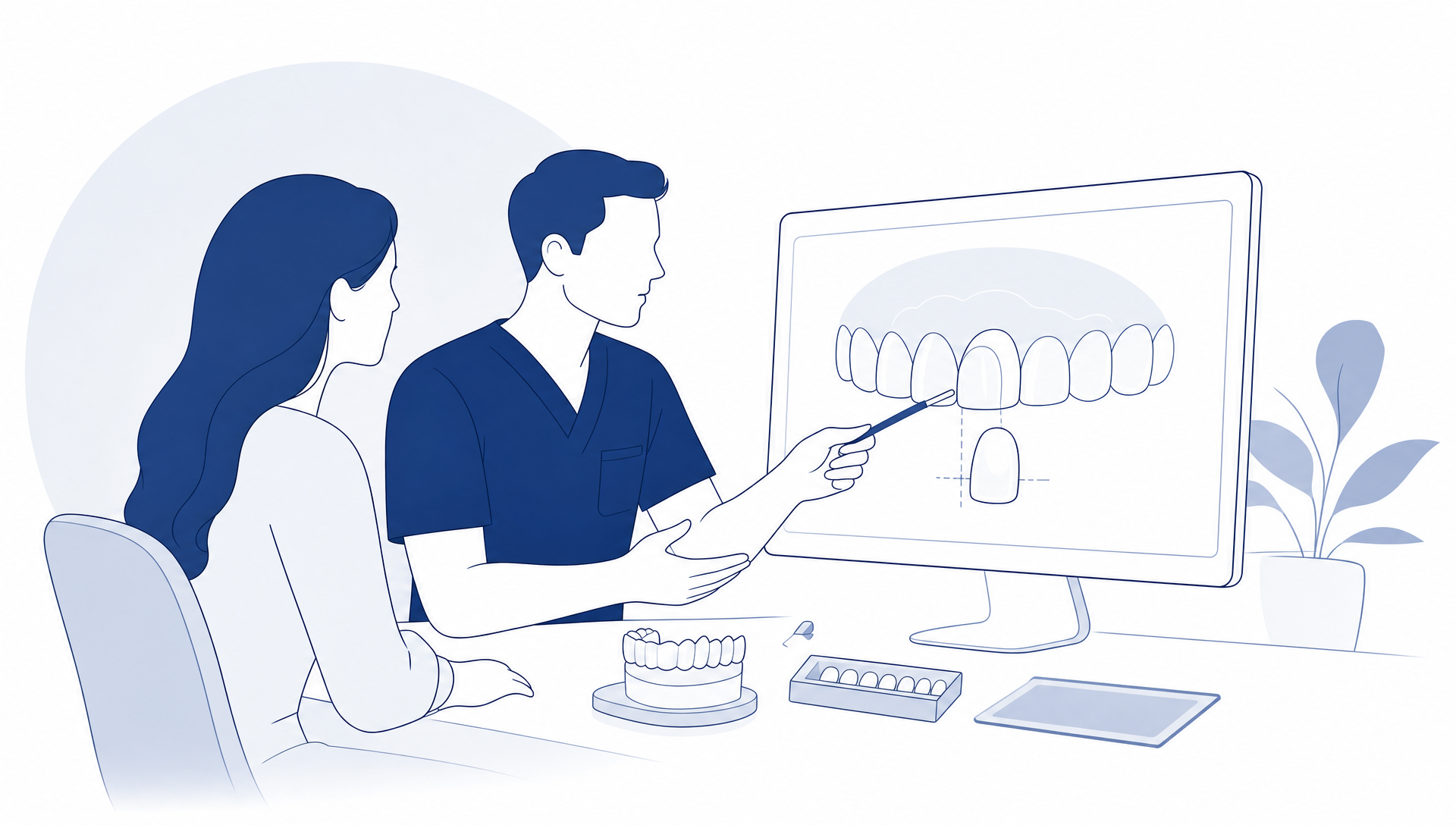
Restorative dentistry is needed when a tooth is damaged, decayed, weakened or missing. It can range from a simple filling to more complex care such as crowns, dentures or dental implants.
Common reasons your family may need restorative dental services include tooth decay, cracked teeth, worn fillings, broken teeth, dental trauma, missing teeth or difficulty chewing. The best option depends on the tooth, the bite, the amount of healthy structure remaining, gum health and your long-term goals.
Restorative care may include:
- Fillings for cavities or minor tooth damage.
- Crowns to protect heavily restored, cracked or weakened teeth.
- Bridges, dentures or implants to replace missing teeth.
- Root canal treatment when the nerve inside a tooth is infected or inflamed.
- Bite assessment if teeth are wearing, chipping or cracking repeatedly.
If you are unsure whether a tooth needs urgent treatment, it is better to book an assessment early. A dentist can explain what is happening, what can wait, and what should be treated sooner.
Emergency Dental Care: Know What Cannot Wait
Every family should know when to seek emergency dental care. Dental pain can affect eating, sleeping, school, work and mood, and some symptoms need prompt attention.
You should contact a dentist as soon as possible if you or a family member has facial swelling, severe toothache, a knocked-out adult tooth, dental trauma, uncontrolled bleeding, a broken tooth with pain, signs of infection, or a lost filling or crown causing significant sensitivity.
For a knocked-out adult tooth, time matters. The Australian Dental Association advises that an adult tooth should be handled carefully, kept moist and assessed urgently. Do not scrub the root. Baby teeth should not be pushed back into the socket, as this may damage the developing adult tooth underneath.
If there is swelling affecting breathing, swallowing or the eye area, seek urgent medical care immediately.
Cosmetic Dentistry: When Health and Confidence Overlap
Cosmetic dentistry is not only about appearance. Sometimes improving a smile also helps with function, comfort or self-confidence. Adults may consider cosmetic dental services for stained teeth, uneven edges, worn teeth, gaps, old visible fillings or a smile that has changed over time.
Cosmetic options may include teeth whitening, bonding, veneers, crowns or clear aligners, depending on your oral health and goals. A good cosmetic consultation should start with a health check. Whitening, for example, may not be suitable until decay, gum inflammation or sensitivity has been assessed.
For families, the key is to prioritise health first, then appearance. A bright smile built on untreated gum disease or unstable fillings will not last as well as one planned on a healthy foundation.
Clear Aligners and Orthodontic Conversations
Clear aligners can be a convenient option for some teens and adults who want to improve tooth alignment. They may be used for concerns such as crowding, spacing or mild bite issues, depending on clinical suitability.
An aligner consultation usually considers tooth position, gum health, bite, compliance and expectations. Aligners need consistent wear and good oral hygiene, so they may not be right for every patient. For younger patients, maturity and responsibility matter as much as the dental diagnosis.
If your teen is self-conscious about their smile or you have noticed crowding, uneven wear or difficulty cleaning between teeth, it may be worth asking whether an alignment assessment is appropriate.
Dentures, Implants and Tooth Replacement for Adults and Seniors
Missing teeth can affect far more than appearance. They can change how you chew, speak, smile and distribute biting forces. Over time, neighbouring teeth may shift, and chewing may become less comfortable.
Tooth replacement options can include dentures, bridges or dental implants. Dentures may replace several teeth or a full arch. Dental implants may be considered when there is enough bone and the patient’s health, habits and oral hygiene support implant treatment. Each option has benefits, limitations and maintenance needs.
For older adults, regular dental care remains important even with dentures. Dentures need checks for fit, comfort and wear. Gums and oral tissues should also be examined, especially if there are sore spots, ulcers, dry mouth or changes in chewing ability.
Sleep Dentistry and Sedation: Support for Anxious Patients
Dental anxiety is common, and it can affect children, teens and adults. Some people avoid appointments for years because they fear pain, needles, embarrassment or loss of control. Others have a strong gag reflex, difficulty sitting still, complex treatment needs or past traumatic experiences.
Sleep dentistry and sedation options may help suitable patients receive care more comfortably. The right approach depends on medical history, the type of procedure and the level of anxiety. A consultation is important so your dentist can discuss risks, benefits and whether sedation is appropriate.
Even if sedation is not needed, tell your dental team if you are nervous. Small adjustments, such as shorter appointments, clear explanations, breaks during treatment or agreed hand signals, can make a significant difference.
How to Prioritise Oral Health Services for Your Family
If everyone in the household is overdue for dental care, start with assessment and prevention. A check-up gives your dentist the information needed to identify urgent issues, estimate risk and create a sensible treatment sequence.
A practical family priority order looks like this:
- Pain, swelling and trauma first: Emergency symptoms should be assessed promptly.
- Active disease next: Decay, gum disease, infection and cracked teeth should be managed before cosmetic treatment.
- Prevention for everyone: Cleans, fluoride advice, fissure sealants and mouthguards can reduce future problems.
- Function and replacement: Missing teeth, worn teeth, unstable dentures and bite issues should be reviewed.
- Cosmetic goals last: Whitening, veneers or smile enhancements work best once the mouth is healthy.
This approach helps families make confident decisions without trying to do everything at once. It also supports budget planning, especially when payment plans or staged treatment may be available.
What to Expect at a Family Dental Consultation
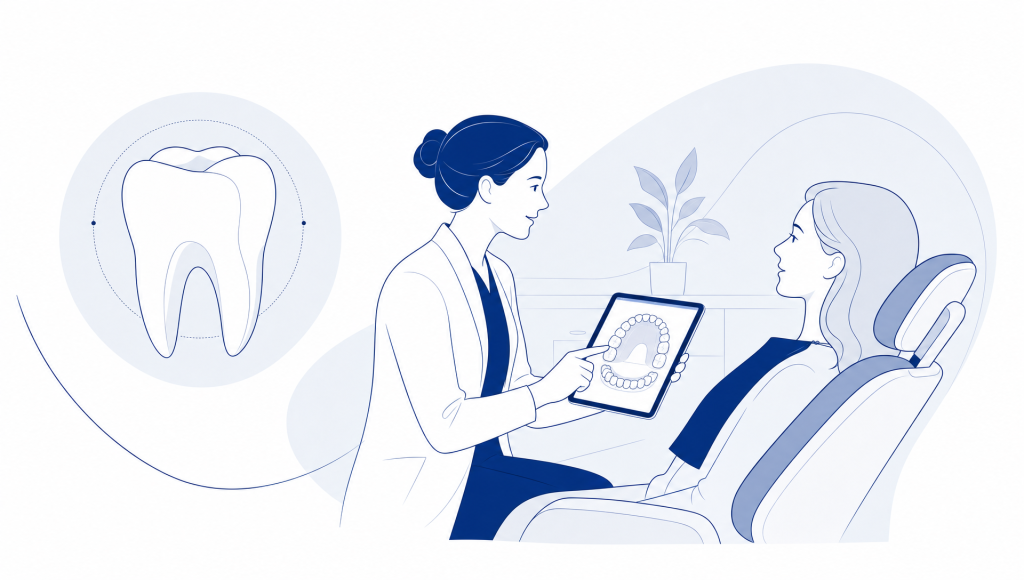
A family dental consultation should be clear, respectful and tailored to each person. Your dentist may ask about symptoms, medical history, medications, diet, brushing habits, previous dental experiences and goals. They may examine teeth, gums, bite, jaw joints and soft tissues, and they may recommend X-rays if needed.
After the assessment, you should understand what is healthy, what needs monitoring, what needs treatment and which options are available. If several treatments are recommended, ask which are urgent and which can be staged over time.
Questions worth asking include:
- What is the main cause of this problem?
- What happens if we wait?
- Are there simpler and more comprehensive options?
- How can we prevent this from happening again?
- Can treatment be staged for our family’s budget and schedule?
Frequently Asked Questions
How often should my family visit the dentist? Many people benefit from six-monthly check-ups, but the right interval depends on decay risk, gum health, medical history, age and current dental concerns. Your dentist can recommend a schedule for each family member.
What oral health services are most important for children? Children usually need check-ups, brushing and diet guidance, fluoride advice, fissure sealant assessment, mouthguards if they play sport, and monitoring of tooth development and bite changes.
Should cosmetic dentistry wait until after general dental care? In most cases, yes. Decay, gum inflammation, infection and unstable fillings should be treated first so cosmetic results are healthier, safer and longer lasting.
What counts as a dental emergency? Severe toothache, facial swelling, dental trauma, a knocked-out adult tooth, uncontrolled bleeding, infection signs, or a painful broken tooth should be assessed promptly. If swelling affects breathing or swallowing, seek urgent medical care.
Are payment plans available for family dental treatment? Beenleigh Dental offers payment plans, which may help families manage treatment in stages. Your dentist can discuss options after assessing your needs and treatment priorities.
Plan the Right Dental Care for Your Family
The oral health services your family needs will change over time, but the goal stays the same: prevent problems where possible, treat issues early, and support healthy, confident smiles at every age.
Beenleigh Dental welcomes new patients and provides family, cosmetic, emergency and restorative dentistry in Beenleigh. If your household is due for check-ups, has a dental concern, or wants to discuss treatment options such as clear aligners, dental implants, dentures or sleep dentistry, you can book an appointment online or arrange a consultation with the clinic.