
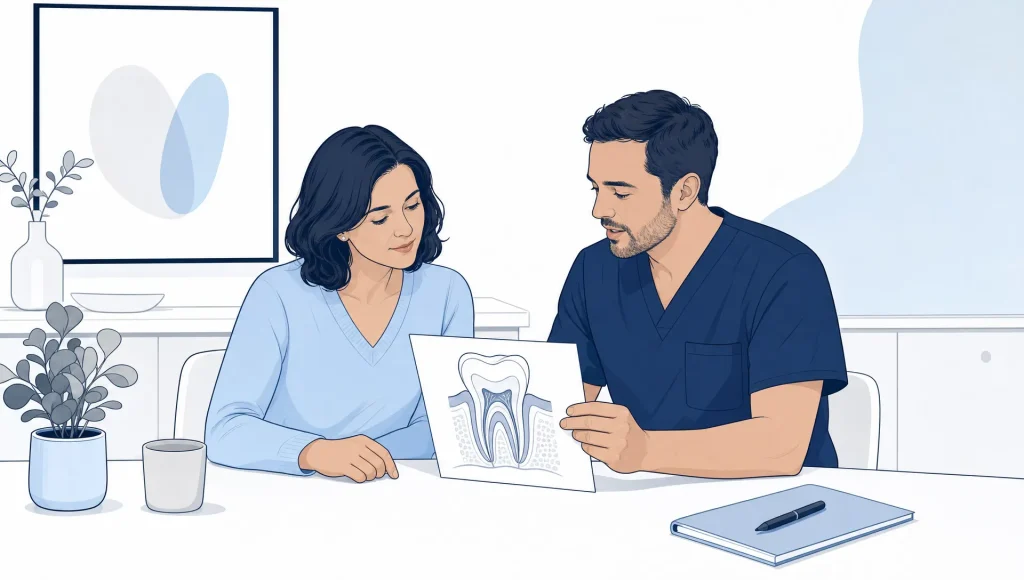
If you have searched for a “dentist near me that do crowns”, you are probably trying to work out whether a damaged, cracked or heavily filled tooth needs more than a simple filling. A dental crown may be recommended when the remaining tooth structure is too weak, worn or broken to be predictably restored with a standard filling alone.
A crown is not the right answer for every dental concern. Your dentist needs to assess the tooth, your bite, your gums, your medical history and your treatment preferences before recommending any option. This guide explains when a dental crown may be considered, what the appointment may involve, and what alternatives might be discussed.
What is a dental crown?
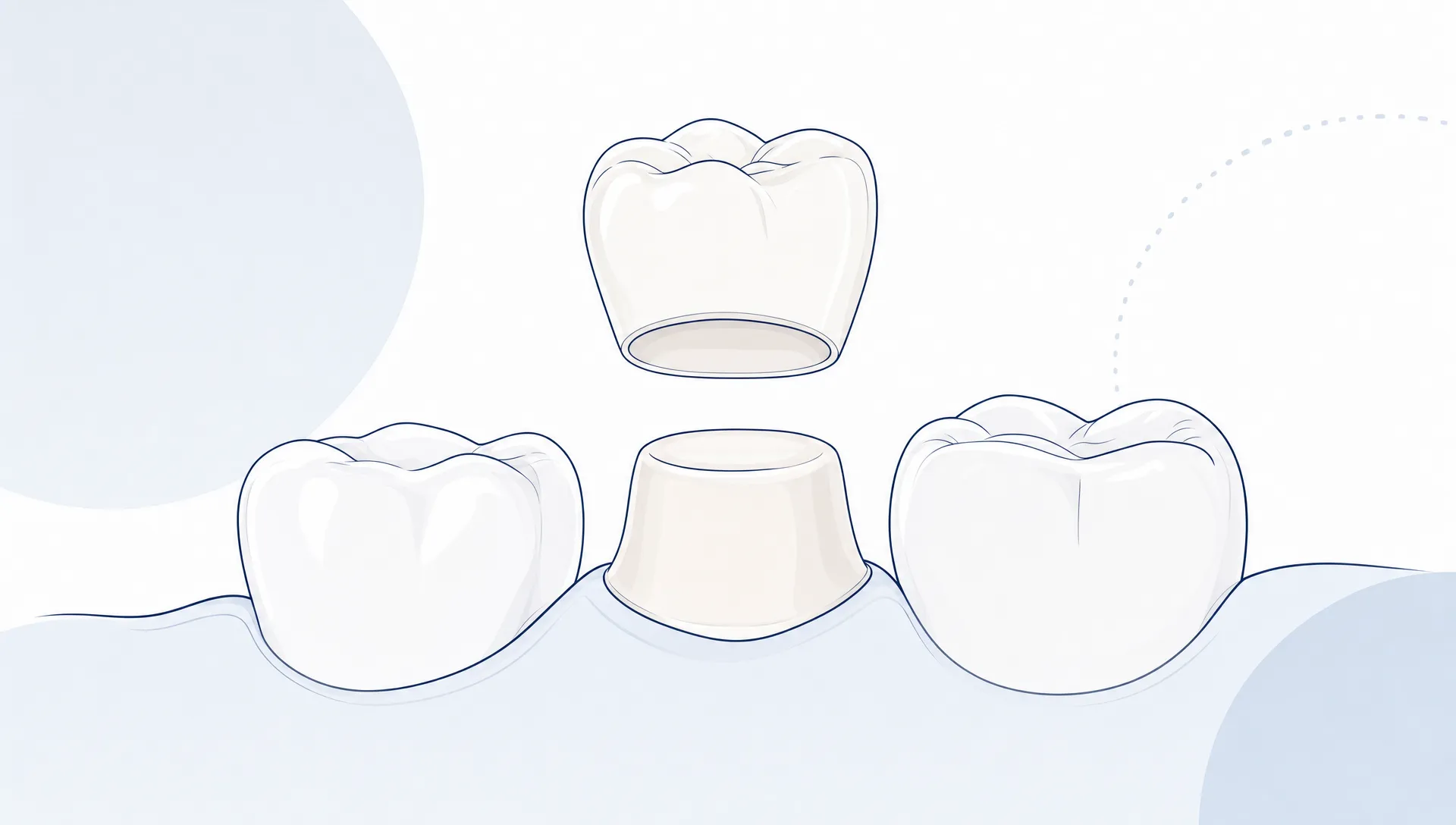
A dental crown is a custom-made cover that fits over the visible part of a tooth. Some people describe it as a “cap”. It is shaped to help restore the tooth’s form, chewing surface and appearance, depending on the reason it is being placed.
Crowns may be made from different materials, such as ceramic, porcelain-based materials, metal alloys or combinations of materials. The most suitable material depends on where the tooth is in the mouth, how much chewing pressure it takes, aesthetic preferences, oral habits such as grinding, and the condition of the remaining tooth.
Unlike a filling, which repairs a smaller section of the tooth, a crown usually covers the tooth more extensively. This is why it may be discussed when a tooth has lost a larger amount of structure or is at higher risk of further cracking.
When a dental crown may be recommended
A dental crown may be considered when a tooth needs more support, coverage or protection than a filling can reasonably provide. Common situations include the following.
A tooth has a large filling or repeated fillings
When a tooth has had a large filling, there may be less natural tooth structure left to support chewing forces. Over time, a large filling can place stress on the remaining walls of the tooth, particularly if the filling is old, leaking, cracked or surrounded by new decay.
In some cases, replacing the filling may be enough. In other cases, a crown may be discussed because it covers and supports the remaining tooth more broadly. If you are unsure whether your tooth needs a filling or something more extensive, this guide on what to expect when you need a dental filling may help explain the difference.
A tooth is cracked, weakened or fractured
Cracks in teeth can be difficult to assess because they vary in depth and direction. Some cracks are small and can be monitored or restored conservatively. Others may cause pain when biting, sensitivity, or a higher risk that a piece of the tooth could break away.
A crown may be recommended if the aim is to hold the tooth together and reduce the risk of further fracture. However, not all cracked teeth can be saved with a crown. If a crack extends deeply below the gumline or into the root, other treatment options may need to be considered.
A tooth has had root canal treatment
Root canal treatment removes infected or inflamed tissue from inside the tooth. After this treatment, some teeth, particularly back teeth, may be more vulnerable to fracture because they often already have decay, large fillings or weakened tooth structure.
A crown may be recommended after root canal treatment to help protect the remaining tooth during chewing. Suitability depends on how much tooth structure remains, the tooth’s position, the bite and whether the surrounding gum and bone support are healthy enough.
A tooth is worn down
Tooth wear can happen for several reasons, including grinding or clenching, acid erosion, abrasive brushing, or long-term changes to the bite. If a tooth is significantly worn, it may no longer have enough height, shape or enamel for a simple repair.
A crown may be one option to rebuild the tooth’s shape and chewing surface. Your dentist may also discuss the cause of the wear, because placing a crown without managing ongoing grinding, erosion or bite issues may increase the chance of future problems.
A tooth is broken or has lost a large piece
If a tooth breaks, the type of repair depends on how much tooth is missing and whether the nerve, root or gumline is involved. Small chips may be repaired with bonding or a filling. Larger breaks may require a crown, root canal treatment, or in some cases removal of the tooth.
A dental examination and X-rays may be needed to understand the extent of the damage before a recommendation can be made.
A crown is needed as part of a dental implant or bridge
A crown may also be used as the visible tooth replacement attached to a dental implant. It can also form part of a dental bridge, where one or more missing teeth are replaced by a restoration supported by neighbouring teeth or implants.
These treatments involve additional planning. Your dentist can explain the potential benefits, limitations, costs and risks of each option based on your individual situation.
| Situation | Why a crown may be considered | Other options that may be discussed |
|---|---|---|
| Large filling or repeated fillings | The remaining tooth may need broader coverage and support | Filling, inlay, onlay, monitoring |
| Cracked tooth | A crown may help support the tooth under chewing forces | Filling, onlay, root canal treatment, extraction in severe cases |
| After root canal treatment | The tooth may be more vulnerable to fracture, especially back teeth | Filling or onlay in selected cases |
| Significant tooth wear | The tooth may need rebuilding for shape and function | Composite bonding, onlay, bite management, monitoring |
| Broken tooth | A larger repair may be needed if much of the tooth is missing | Filling, bonding, root canal treatment, extraction |
| Implant or bridge treatment | A crown may form the visible replacement tooth | Denture, bridge, implant-supported options, no replacement in selected cases |
What happens before a crown is recommended?
A crown should only be recommended after an individual assessment. During an appointment, your dentist may ask about your symptoms, oral health history, medical history and what you want to understand or achieve from treatment.
The assessment may include checking the tooth visually, testing the bite, assessing the surrounding gum, and taking dental X-rays where needed. X-rays can help identify decay, infection, cracks, bone support and the shape of the roots, although not every crack or dental problem is visible on an X-ray.
Your dentist should explain the findings in plain language and discuss reasonable options. This may include the option of doing nothing immediately and monitoring the tooth if that is appropriate. Informed consent matters, so you should have an opportunity to ask about likely steps, costs, materials, risks, alternatives and expected maintenance.
What a dental crown appointment may involve
The exact process can vary depending on the tooth, the material chosen and whether other treatment is needed first. In general, crown treatment may involve more than one appointment.
At the preparation appointment, the tooth is shaped so the crown can fit over it. Local anaesthetic is commonly used to numb the area, although individual experiences vary. If you feel anxious about dental treatment, your dentist can discuss ways to make treatment more manageable, and whether sedation options may be appropriate for your circumstances.
An impression or digital scan may be taken so the crown can be made to fit your tooth and bite. A temporary crown may be placed while the final crown is being made, depending on the clinical situation. Temporary crowns need care because they are not designed to be as strong as the final restoration.
At the fitting appointment, your dentist checks the crown’s fit, bite and appearance before it is cemented or bonded in place. Adjustments may be needed so the bite feels comfortable. If anything feels high, sharp or uncomfortable after the appointment, it is sensible to contact the clinic for advice rather than waiting for it to settle without assessment.
Benefits, limitations and risks to consider
A dental crown may help restore a damaged tooth’s shape, function and appearance. It may also help support weakened tooth structure in selected cases. However, no dental restoration is without limitations.
All dental procedures carry potential risks and benefits. With crowns, possible issues can include sensitivity, discomfort after treatment, changes to the bite, gum irritation, the crown loosening, chipping or wearing, decay developing at the crown edge, or the tooth needing root canal treatment later. In some cases, a crown may not be possible if there is not enough healthy tooth structure or gum and bone support.
Crowns also require removal of some tooth structure, which means treatment is not reversible in the same way as some more conservative options. This is one reason your dentist may discuss fillings, onlays or other alternatives before recommending a crown.
A crown also does not make a tooth immune to decay or gum disease. Good daily cleaning and regular dental checks remain important. The Australian Dental Association’s patient website, Teeth.org.au, provides general oral health information for Australian patients.
Alternatives to a dental crown
Not every damaged tooth needs a crown. Depending on the diagnosis, your dentist may discuss one or more alternatives.
A filling may be suitable when the damaged area is smaller and enough healthy tooth structure remains. An inlay or onlay may be considered when the tooth needs more support than a filling but does not need full crown coverage. Composite bonding may be used for some chips or cosmetic concerns, although it may not be suitable for heavy biting areas or significant structural damage.
A veneer may be discussed for some front teeth where the main concern is appearance, but it is not the same as a crown and may not be appropriate for weakened teeth. If a tooth cannot be predictably restored, extraction and replacement options such as a denture, bridge or implant may be discussed. In some cases, monitoring may be reasonable if the tooth is stable and symptoms are absent.
The right option depends on the tooth, your oral health, your bite, your budget, your preferences and the risks of each choice.
Searching for “dentist near me that do crowns”? What to check
If you are looking locally in Beenleigh, Eagleby, Mount Warren Park, Waterford, Loganholme, Bethania or nearby areas, it can be useful to choose a dental clinic that explains crown treatment in a balanced way rather than assuming it is the only option.
You may want to ask whether the dentist can assess the tooth, explain alternatives, provide a written estimate, discuss payment options, and outline what maintenance may be needed. For families comparing clinics more broadly, this article on how to choose a dental clinic for your family covers practical questions to consider before booking.
Beenleigh Dental provides general, restorative and cosmetic dental care in Beenleigh, QLD, and welcomes new patients. Treatment consultations and payment plans are available, although suitability, costs and timing depend on the individual treatment plan.
When to seek dental care sooner
Some dental problems should be assessed promptly. Contact a dentist if you have a broken tooth, severe toothache, swelling, pain when biting, a crown that has come loose, or sensitivity that is worsening rather than settling.
Seek urgent medical care if swelling is affecting breathing, swallowing or your ability to open your mouth, or if you feel seriously unwell. If you are unsure whether your dental concern needs same-day attention, this guide on what to do for urgent dental problems explains common warning signs and first steps.
How to look after a dental crown
A crown needs the same daily care as your natural teeth. The edge where the crown meets the tooth can still collect plaque, and decay can still develop in the tooth underneath or around the margin.
Helpful habits include brushing twice daily with fluoride toothpaste, cleaning between the teeth, attending routine dental examinations as recommended for your needs, and avoiding using teeth to open packets or bite hard objects. If you grind or clench your teeth, your dentist may discuss a protective night guard or other management options.
If your crown feels loose, the bite changes, food catches around it, or the gum becomes sore, arrange an assessment. Early review may help identify small issues before they become more complex.
Frequently asked questions
Is a crown better than a filling? Not always. A crown and a filling serve different purposes. A filling may be suitable for smaller areas of damage, while a crown may be considered when the tooth needs broader coverage or support. Your dentist can explain which options may be appropriate after examining the tooth.
Does getting a crown hurt? Local anaesthetic is commonly used during crown preparation to numb the area, but experiences vary between patients. Some people may have temporary sensitivity or tenderness after treatment. If you are concerned about discomfort or dental anxiety, discuss this before treatment begins.
How long does a dental crown last? Crown lifespan varies. It depends on the material, tooth position, bite forces, oral hygiene, diet, grinding habits and regular maintenance. No crown can be guaranteed to last for a specific time, and replacement or repair may be needed in the future.
Can a crown be done on the same day? Some clinics may offer same-day crowns depending on their equipment and the case, while others use a dental laboratory process that involves more than one visit. Ask your dentist what process is suitable for your tooth and what timing to expect.
Can a crowned tooth still get decay? Yes. The crown material itself does not decay, but the natural tooth at the crown edge or underneath the crown can still be affected by decay if plaque builds up or the margin is compromised.
What if my crown falls out? Keep the crown if you still have it and contact a dentist for advice. Do not use household glue to reattach it. The tooth may be sensitive or vulnerable until it is assessed.
Considering whether a crown may be suitable?
A dental examination can help determine whether a crown, filling, onlay or another option may be appropriate for your tooth. Your dentist can explain the potential benefits, risks, limitations and alternatives so you can make an informed decision.
To discuss a damaged, cracked or heavily filled tooth, you can book an appointment with Beenleigh Dental in Beenleigh, QLD.