
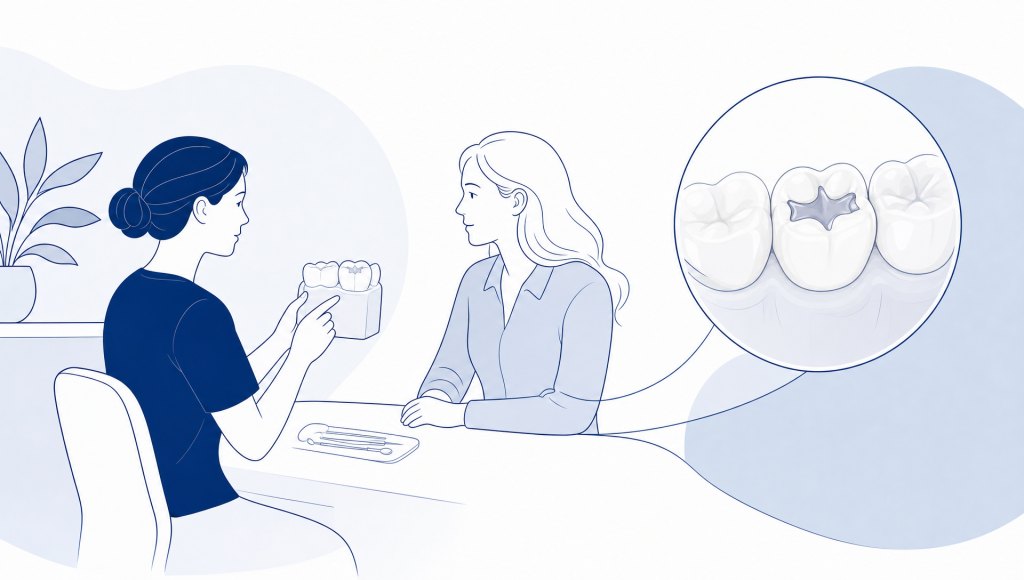
If you need a dental filling, the appointment is usually about removing damaged or decayed tooth structure and restoring the tooth with a suitable filling material. If you have been searching for a “dentist that do fillings near me” because you have tooth sensitivity, a hole, a chipped tooth or food getting caught, a dental examination can help confirm what is happening and whether a filling is appropriate.
A filling is a common restorative dental treatment, but it is still a clinical procedure. Your dentist will need to assess the tooth, explain the options, and discuss the potential benefits, limitations and risks before treatment proceeds.
Why might you need a dental filling?
A dental filling may be recommended when part of a tooth has been weakened, damaged or affected by decay. The aim is to restore the tooth’s shape and function, while helping to protect the remaining tooth structure.
Common reasons include:
- Tooth decay, sometimes called a cavity
- A small chip or fracture
- Wear from grinding or clenching
- Replacement of an old, cracked or leaking filling
- A tooth surface that has broken around an existing restoration
Tooth decay can develop when plaque bacteria produce acids that gradually soften enamel, the hard outer layer of the tooth. The Australian Dental Association’s patient information site, Teeth.org.au, provides helpful general information about tooth decay, prevention and oral health.
Not every damaged tooth can be repaired with a standard filling. If the cavity is very large, the tooth is cracked, or the nerve inside the tooth is involved, other options may need to be considered. These may include a crown, root canal treatment, extraction, or monitoring in some situations. Your dentist can explain which options may be suitable after examining the tooth.
Looking for a dentist that do fillings near me in Beenleigh?
Searches like “dentist that do fillings near me” often happen when something has changed suddenly. You might have noticed sensitivity to cold drinks, a rough edge, a visible dark spot, or discomfort when chewing.
For patients in Beenleigh, Logan and the northern Gold Coast corridor, a filling appointment usually starts with diagnosis rather than treatment straight away. This matters because tooth pain can have several causes, and the right treatment depends on what is actually happening inside and around the tooth.
At Beenleigh Dental, general dentistry includes assessment and treatment planning for concerns such as tooth decay, broken teeth and existing fillings that may need attention. New patients are welcome, and online appointment booking is available through the clinic website.
Signs a tooth may need assessment
Some cavities are found during routine check-ups before they cause symptoms. Others become noticeable once the tooth structure has weakened.
It is sensible to arrange a dental examination if you notice:
- Sensitivity to cold, sweet or hot foods and drinks
- Food catching in the same area repeatedly
- A rough, sharp or broken edge
- A visible hole or dark area on a tooth
- Discomfort when biting or chewing
- An old filling that feels loose, cracked or uneven
- Floss shredding or catching between teeth
These signs do not automatically mean you need a filling. For example, sensitivity may also be linked to gum recession, enamel wear, grinding, a cracked tooth or inflammation of the nerve. A clinical assessment is needed before a diagnosis can be made.
If you have facial swelling, fever, difficulty swallowing, spreading infection, dental trauma or severe pain, it may require more urgent care. Beenleigh Dental has a helpful guide on what to do for urgent dental problems, and Healthdirect also provides general information about dental abscess symptoms and when to seek medical advice.
What happens before a filling is recommended?
Before recommending a filling, your dentist will usually ask about your symptoms and examine the tooth. They may check how the tooth responds to biting pressure, temperature, flossing or gentle probing.
Dental X-rays may be recommended if your dentist needs to see between teeth, under an existing filling, or closer to the nerve area. X-rays are not needed for every situation, but they can be useful when decay or cracks are not visible from the surface.
Your dentist should explain what they have found in plain language. This discussion may include:
- Whether decay, fracture or wear is present
- How much tooth structure appears affected
- Whether a filling is likely to be suitable
- Which filling materials may be considered
- Potential risks, such as sensitivity or the possibility that further treatment may be needed
- Alternatives, including monitoring, preventive care or a different restorative option
This is also a good time to mention any medical conditions, medications, pregnancy, dental anxiety, previous reactions to local anaesthetic, or concerns about treatment.
What does the dental filling appointment involve?
The exact process depends on the tooth, the size of the cavity and the filling material used. In many cases, the appointment follows a fairly predictable sequence.
1. Numbing the tooth if needed
Your dentist may use local anaesthetic to numb the tooth and surrounding gum. This is intended to reduce discomfort during the procedure. Some very small fillings may not require anaesthetic, but this depends on the tooth and your comfort level.
You may still notice pressure, vibration, water spray or the sound of dental instruments. If you feel uncomfortable during treatment, you can usually raise a hand so the dentist can pause.
2. Removing decay or damaged material
The dentist removes softened decay, damaged tooth structure or an old restoration where needed. The aim is to preserve as much healthy tooth as reasonably possible while creating a clean area for the filling.
3. Preparing the tooth surface
The tooth may be cleaned, shaped and dried. For tooth-coloured composite resin fillings, the dentist may use a bonding process to help the material attach to the tooth. A small blue curing light is often used to set each layer of material.
4. Placing and shaping the filling
The filling material is placed into the prepared area and shaped to suit the tooth. Your dentist will check how your teeth meet when you bite together. Small adjustments may be made so the filling does not feel too high.
5. Polishing and final checks
The filling is polished and checked for rough areas. Your dentist may give you instructions about eating, drinking, numbness and what to expect over the next few days.
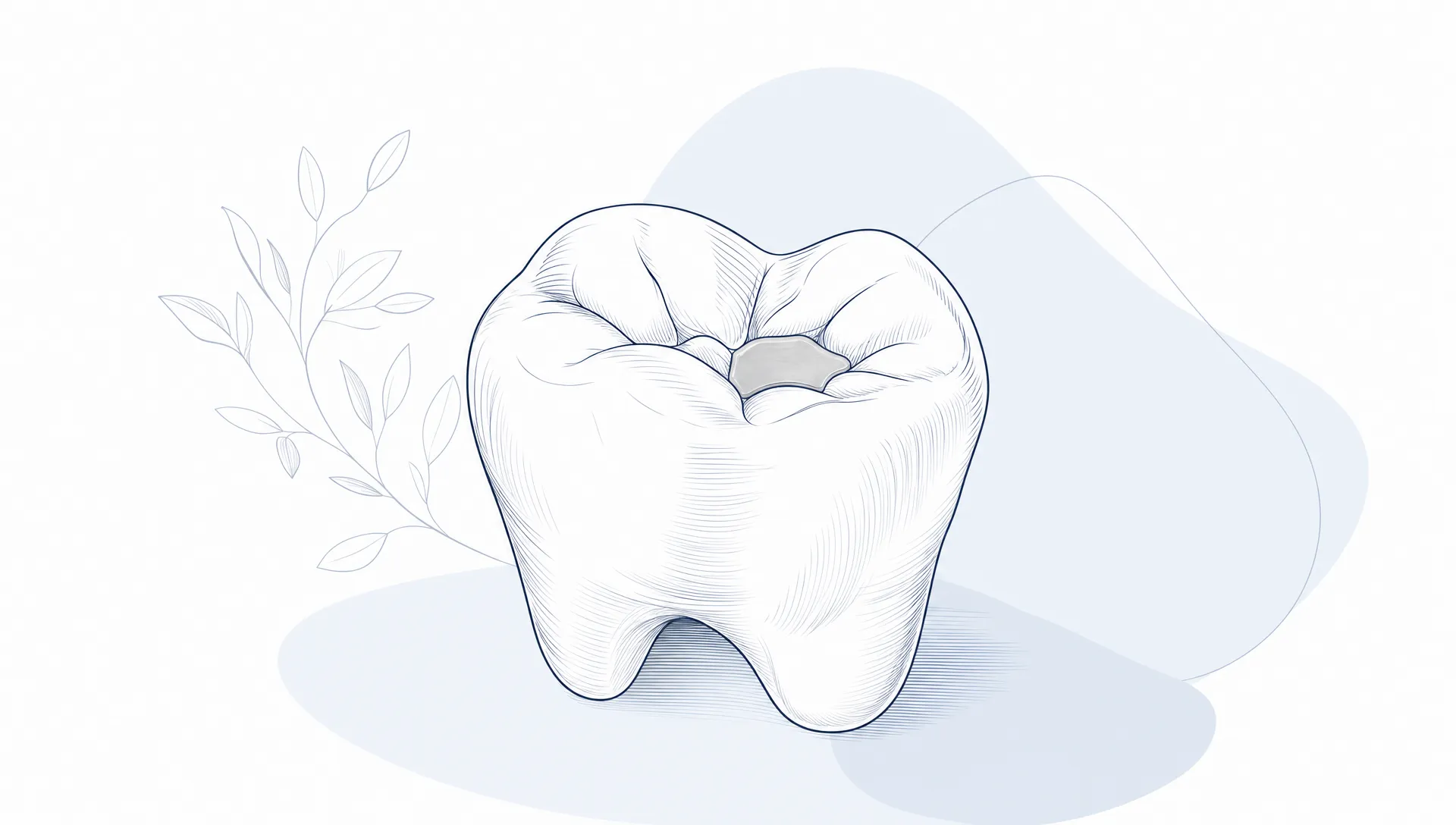
Types of filling materials your dentist may discuss
Different filling materials have different uses. The most appropriate option depends on the tooth location, size of the restoration, bite forces, moisture control, appearance preferences, oral health and other individual factors.
| Filling material | Common use | Points to consider |
|---|---|---|
| Composite resin | Often used for front teeth and many smaller to moderate restorations | Tooth-coloured and bonded to the tooth, but may not be suitable for every large or high-pressure area |
| Glass ionomer cement | Sometimes used near the gumline, in baby teeth or as a temporary or transitional material | Can release fluoride, but may not have the same wear resistance as some other materials |
| Amalgam | Has been used for many years, often in back teeth | Durable in some situations, but silver-coloured and less commonly chosen when appearance is a priority |
| Ceramic or indirect restoration | May be considered when a tooth needs more coverage than a direct filling | Usually requires more planning and may involve different appointments or laboratory work |
Your dentist can explain why they are recommending a particular material. It is reasonable to ask how long the appointment may take, what the material is suited for, whether there are alternatives, and what maintenance may be needed.
Will a filling feel normal straight away?
Many people adjust to a new filling quickly, but it is also common for a tooth to feel slightly different at first. The area may feel numb for a few hours if local anaesthetic was used, so take care with hot drinks and chewing until normal feeling returns.
Some short-term sensitivity to cold or pressure can occur after a filling, particularly if the cavity was deep or the tooth was already irritated. This often settles, but it should be reviewed if it is worsening, lasting longer than expected, or affecting your ability to eat and drink normally.
Contact your dentist if:
- The filling feels high when you bite
- Pain is increasing rather than settling
- Sensitivity lingers for a long time after cold or heat
- The tooth hurts when chewing
- The filling chips, cracks or falls out
- The gum or face becomes swollen
A high filling can sometimes be adjusted with a short follow-up visit. Ongoing or worsening symptoms may indicate that the tooth needs further assessment.
Potential benefits, limitations and risks
A filling may help restore the tooth’s shape, close a cavity and support normal chewing. It may also reduce areas where food and bacteria collect. However, outcomes vary between patients and depend on the tooth, the size of the restoration, oral hygiene, diet, bite forces and other factors.
Possible limitations and risks include:
- Temporary or ongoing sensitivity
- The filling wearing, staining, chipping or loosening over time
- The tooth needing further treatment if decay is deep or the nerve becomes inflamed
- The restoration not being suitable if too much tooth structure is missing
- Difficulty achieving a long-lasting result if the area cannot be kept dry during placement
- The need for maintenance or replacement in the future
No dental restoration lasts indefinitely. Regular dental checks can help your dentist monitor fillings, tooth surfaces and gum health over time.
How to care for a tooth after a filling
Your dentist may give specific instructions based on the material used. General care usually includes brushing twice daily with fluoride toothpaste, cleaning between the teeth, and avoiding very hard foods on the restored tooth if advised.
If your mouth is numb, avoid chewing on that side until feeling has returned. This reduces the chance of biting your cheek, lip or tongue without realising.
Preventing further decay is just as important as placing the filling. Fluoride, diet, saliva flow and daily cleaning all affect cavity risk. If you want to understand this in more detail, Beenleigh Dental’s article on fluoride and tooth decay explains how fluoride may help strengthen enamel and support prevention.
For children and teens with deep grooves in their back teeth, fissure sealants may also be discussed as a preventive option in some cases. You can read more about what fissure sealants are and when a dentist might consider them.
How much does a dental filling cost?
The cost of a dental filling can vary. Factors include the tooth involved, the number of surfaces being restored, the material used, whether X-rays are needed, and whether additional treatment is required.
Because dental needs differ, it is not usually helpful to estimate a fee without an examination. Before proceeding, ask for a clear explanation of the recommended treatment and costs. If you have private health insurance, your out-of-pocket amount may depend on your policy, level of cover and remaining limits.
Beenleigh Dental offers payment plans, which may be discussed if treatment is recommended and you would like to understand payment options. Any decision about timing and treatment should be based on your dental needs, preferences and the information provided during your consultation.
What if you feel nervous about getting a filling?
Feeling nervous about dental treatment is common, and it is worth telling the dental team before or during your appointment. This allows them to explain the process, agree on a pause signal, and discuss ways to make the appointment more manageable.
Depending on your needs and suitability, options may include shorter appointments, extra explanation before each stage, local anaesthetic, or sedation options. Beenleigh Dental offers sleep dentistry sedation, but suitability depends on your health history, the procedure and clinical assessment.
Sedation is not necessary for every filling, and it carries its own considerations. Your dentist can discuss potential benefits, risks and alternatives if anxiety is affecting your ability to receive needed care.
Frequently Asked Questions
How do I know if I need a filling? You may need a dental assessment if you have sensitivity, a visible hole, food catching, a chipped tooth or discomfort when chewing. A dentist needs to examine the tooth before confirming whether a filling is suitable.
Does getting a filling hurt? Local anaesthetic may be used to numb the area and reduce discomfort. You may still feel pressure, vibration or water spray. Experiences vary, so tell your dentist if you feel uncomfortable during the appointment.
How long does a dental filling take? Appointment time varies depending on the size and location of the filling, the material used and whether more than one tooth is being treated. Your dentist can give a more accurate estimate after examining the tooth.
Can a filling fix a deep cavity? Sometimes, but not always. If decay is close to or has reached the nerve, a filling alone may not be enough. Other treatment options may need to be discussed after assessment.
Can children have dental fillings? Yes, children may need fillings if a baby tooth or adult tooth has decay or damage. The approach depends on the child’s age, the tooth involved, symptoms and long-term oral health needs.
What should I do if a filling falls out? Arrange a dental appointment for assessment. Try to keep the area clean, avoid chewing hard foods on that side, and seek prompt advice if there is pain, swelling or sharp tooth edges.
Arranging a dental filling assessment in Beenleigh
If you think you may need a dental filling, a dental examination can help determine the cause of your symptoms and which options may be appropriate. The team at Beenleigh Dental can assess your tooth, explain the findings and discuss suitable treatment options based on your individual needs.
To discuss a concern or arrange an appointment in Beenleigh, you can contact Beenleigh Dental or use the clinic’s online booking option.