

Choosing professional dental care means having your teeth, gums and mouth assessed, understanding any findings and discussing care that is appropriate for you. It can include prevention, treatment and follow-up, but it does not mean everyone needs the same procedures or appointment schedule.
For people considering a dentist in Beenleigh or nearby parts of Logan and the northern Gold Coast corridor, understanding this process can make appointments easier to navigate. Your assessment should provide useful information about your oral health, including when monitoring rather than treatment may be a reasonable option.
An assessment comes before a treatment recommendation
A dental appointment usually begins with a conversation about your concerns, symptoms, medical history and medicines. Mention allergies, pregnancy, previous treatment experiences and anything that makes dental visits difficult. These details can affect how your care is planned.
An examination may involve checking your teeth, existing fillings, gums, bite and the soft tissues inside your mouth. Your dentist looks for signs of problems such as decay, gum disease, tooth wear or changes that need further investigation.
The aim of professional dental care is not simply to identify procedures you could have. It is to understand what is happening, whether anything needs attention and how the findings relate to your circumstances.
Are X-rays always needed?
Dental X-rays can reveal information that is not visible during an examination, such as decay between teeth or changes around tooth roots. They are not automatically required at every appointment.
Your dentist should consider your symptoms, examination findings, previous images and risk factors before recommending them. X-rays involve a small exposure to radiation, so there should be a clinical reason for taking them.
For a closer look at the examination itself, our guide explains what a routine dental check-up may include.
Prevention includes what happens between appointments
Preventive care aims to reduce the likelihood of dental problems developing or progressing. It combines care in the clinic with practical habits at home.
A professional clean may be recommended to remove plaque and hardened deposits called calculus. Brushing cannot remove established calculus, although daily cleaning helps limit plaque build-up. Some people experience temporary sensitivity or gum tenderness after cleaning, particularly where the gums are inflamed.
Advice should relate to your mouth rather than follow a generic checklist. Professional dental care may include discussing brushing technique, cleaning between teeth, fluoride toothpaste, sugary drinks, smoking or a dry mouth caused by medicines.
The Australian Dental Association’s patient oral health information provides further guidance on everyday dental care.
Your next examination should also be based on your needs. Someone with active gum disease, frequent decay or a changing medical condition may need a different review schedule from someone whose oral health is stable. Ask your dentist why they recommend a particular interval and what to watch for between visits.
What professional dental care may involve when treatment is needed
If an examination identifies a concern, your dentist should explain the finding before recommending a procedure. The discussion should cover what treatment aims to achieve, its limitations and whether there are reasonable alternatives.
The following examples show how recommendations can differ. They are not a treatment checklist for every patient.
| Finding or concern | Options that may be discussed | Important considerations |
|---|---|---|
| Early tooth decay | Fluoride, changes to daily habits and monitoring in selected cases | Suitability depends on whether the tooth surface has broken down and whether the area can be kept clean |
| A cavity or damaged tooth | A filling, crown or another restorative approach | The amount of remaining tooth structure and the condition of the tooth influence the recommendation |
| Inflamed or diseased gums | Cleaning, more detailed gum treatment and home-care changes | Ongoing maintenance may be needed, and the response varies between patients |
| A missing tooth | Monitoring the space, a denture, bridge or implant assessment | Not every space needs replacing; suitability, cleaning needs, risks and costs differ |
Professional dental care should distinguish between treating disease, restoring function and changing appearance. Cosmetic treatment is a personal choice, not an expectation, and healthy variations in tooth colour or shape do not automatically require treatment.
Procedures also have potential downsides. Depending on the treatment, these may include sensitivity, discomfort, infection, damage to nearby structures or the need for further care. Your dentist should explain the risks that are relevant to the option being considered.
You should understand your options before deciding
Informed consent means having enough understandable information to make a voluntary decision about your care. Signing a form alone does not replace that conversation.
Before agreeing to treatment, you should understand the proposed procedure, likely benefits, material risks, alternatives and expected costs. It is also reasonable to ask what could happen if you delay treatment or choose monitoring instead. Whether waiting is appropriate depends on the clinical findings.
Useful questions include:
- What have you found, and can you show or explain it to me?
- Why are you recommending this option rather than another approach?
- What are the main risks, limitations and ongoing maintenance needs?
- What is the estimated cost, and could the plan change during treatment?
- Is there time to consider the decision or seek another opinion?
A professional dental treatment plan may separate immediate needs from care that can be staged or considered later. This can help you weigh up clinical priorities alongside your budget and availability, without assuming that every proposed procedure must happen at once.
You can take our questions to ask at your first dental visit to an appointment if a written prompt would be useful.
Comfort, safety and follow-up are part of care
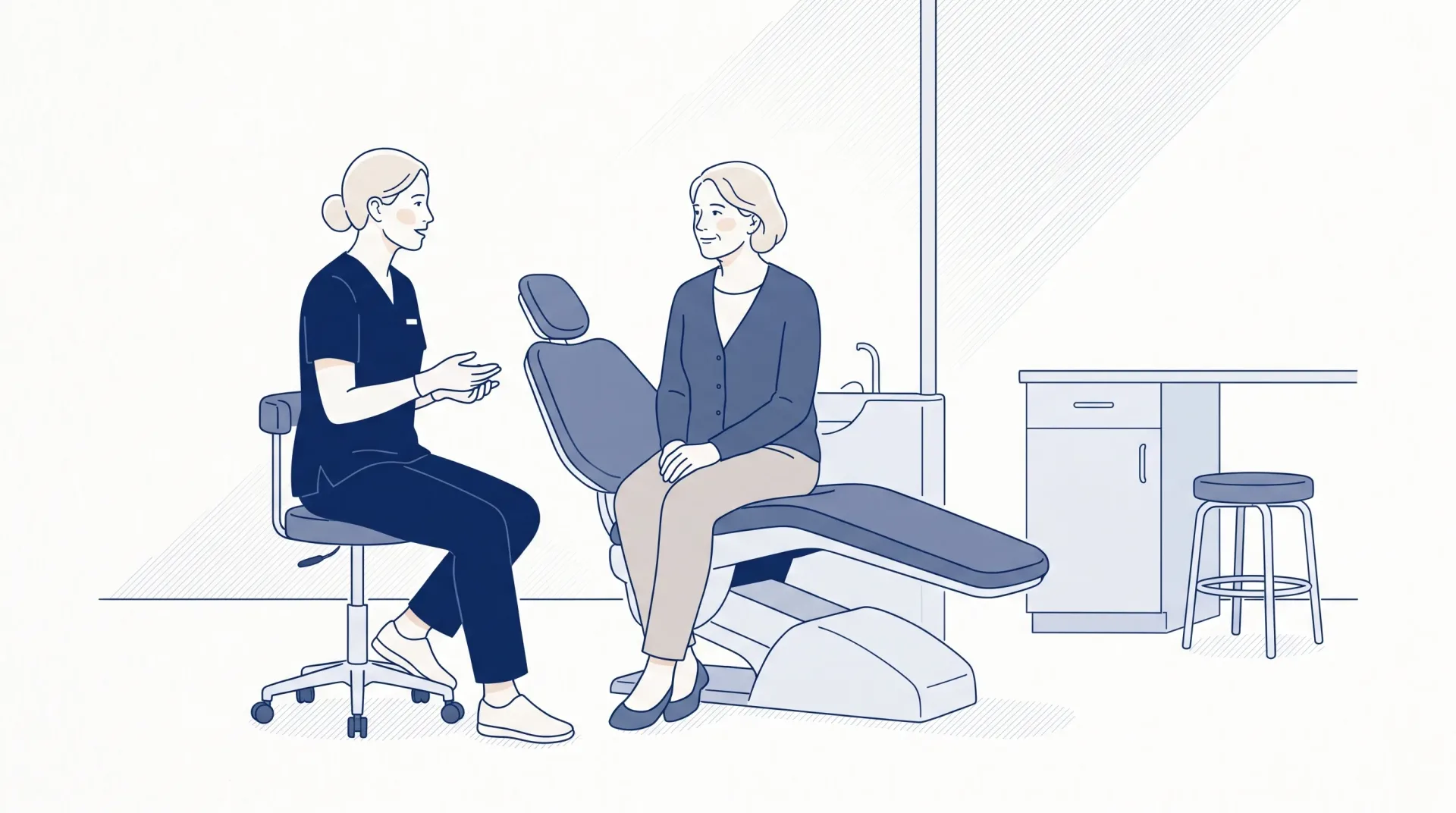
Feeling nervous, having a sensitive gag reflex or finding it difficult to sit comfortably are all worth mentioning before treatment begins. You can discuss breaks, a signal to pause and an explanation of what you are likely to feel.
Local anaesthetic may be used to numb an area for certain procedures. Sedation may be considered for some patients, but it requires an assessment and has its own risks, preparation requirements and recovery restrictions. Neither option makes treatment risk-free or guarantees a particular experience.
Professional dental care also includes infection prevention, appropriate clinical records and clear communication about what happens after a procedure. Dental practitioners must hold appropriate registration to practise in Australia. You can check registration through Ahpra’s public register.
What happens after treatment?
You should receive instructions relevant to the procedure, including cleaning advice, eating restrictions where needed and symptoms that warrant contacting the clinic. Recovery and treatment experiences vary.
Follow-up may involve checking healing, reviewing symptoms, adjusting a restoration or monitoring gum health. Fillings, crowns, dentures and implants can all need maintenance, repair or replacement over time. Completing treatment does not remove the need for ongoing home care and appropriate reviews.
When should you arrange a dental assessment?
You do not need to wait for pain before discussing an oral health concern. Bleeding gums, persistent sensitivity, a chipped tooth, a change in your bite or a sore that is not healing are reasons to arrange an assessment. These symptoms can have different causes and cannot be diagnosed reliably from appearance alone.
Seek prompt dental advice for severe or worsening toothache, swelling, a suspected infection or an injured or knocked-out tooth. If swelling affects your breathing or swallowing, seek emergency medical help immediately and call 000.
Healthdirect’s information on dental abscesses explains why a suspected tooth infection needs assessment. Pain relief may ease symptoms temporarily, but it does not treat the underlying cause.
The timing of professional dental care should reflect your symptoms and level of risk. An elective appearance-related discussion is different from an injury or spreading swelling, so describe your symptoms when contacting a clinic.
Frequently asked questions
Does every dental appointment include a clean? No. An appointment may focus on an examination, a specific symptom, treatment planning or an urgent problem. Cleaning may be recommended when appropriate, but it is not automatically part of every visit. Ask what your booking includes.
How often should I see a dentist? There is no single interval that suits everyone. Your dentist can recommend a review schedule based on your oral health, history and risk factors, then adjust it if your needs change.
Can I decline a recommended treatment? You can ask questions, consider alternatives and decline treatment. Your dentist should explain the likely consequences of not proceeding so you can make an informed decision. Some problems need timely attention, while others may be suitable for monitoring.
Can I discuss costs before treatment starts? Yes. Professional dental care should include a discussion of expected fees before you consent. Ask what the estimate covers, whether further treatment might become necessary and how any changes would be discussed with you.
Discuss your needs with Beenleigh Dental
Beenleigh Dental offers general, cosmetic, emergency and restorative dental services, with online booking and payment plans available. Suitability for any treatment requires an individual assessment.
To discuss symptoms, routine care or treatment choices, you can arrange an appointment with Beenleigh Dental. Let the team know your main concern when booking so they can advise on an appropriate appointment.