
If you are comparing services in dental clinic settings, a general dental clinic can usually help with much more than a check-up. Most clinics provide preventive care, assessment of dental concerns, basic restorative treatment, cosmetic options, emergency appointments and ongoing oral health support. The exact mix depends on the clinic, the dentist’s training, available equipment and your individual needs.
For patients in Beenleigh, Logan and the northern Gold Coast corridor, understanding what a general dental clinic can provide can make it easier to decide when to book, what to ask and when a referral may be needed.
Common services in dental clinic settings
The exact services in dental clinic settings vary, but general dental care usually focuses on keeping teeth, gums and the mouth healthy, identifying issues early and discussing suitable treatment options. Some services are routine, such as examinations and cleans. Others are problem-based, such as treating a broken tooth, toothache or missing tooth.
A useful way to think about dental services is to group them by purpose.
| Service area | What it may involve | When it may be discussed |
|---|---|---|
| Preventive care | Check-ups, cleans, fluoride, oral hygiene advice | Routine visits, gum care, decay prevention |
| Restorative care | Fillings, crowns, bridges, root canal discussions | Decay, cracks, worn teeth, broken fillings |
| Emergency dental care | Assessment of pain, swelling, trauma or broken teeth | Same-day concerns or symptoms needing prompt review |
| Cosmetic dentistry | Whitening, bonding, veneers or clear aligner discussions | Appearance-related concerns, after oral health assessment |
| Tooth replacement | Dentures, bridges or dental implant discussions | Missing teeth or teeth that may not be restorable |
| Children’s dentistry | Dental checks, fissure sealants, hygiene guidance | Growing teeth, prevention and family routines |
Not every option suits every patient. Your dentist needs to assess your oral health, medical history, symptoms, budget, timing and treatment goals before recommending a pathway.
Dental examinations and preventive care
Preventive services in dental clinic visits are often the foundation of general dentistry. A dental examination looks at the teeth, gums, soft tissues, bite, jaw joints and existing dental work. Your dentist may also ask about sensitivity, bleeding gums, grinding, dry mouth, diet, smoking, medications and any recent changes.
Dental X-rays may be recommended when they are clinically useful. They can help identify concerns that may not be visible during a visual examination, such as decay between teeth, bone changes around teeth or infection near the root of a tooth. X-rays are not always required at every appointment.
A professional clean may remove plaque and calculus, which is hardened plaque that brushing cannot remove once it has mineralised. Your dental team may also discuss brushing technique, interdental cleaning, fluoride toothpaste and other home care habits.
For a deeper look at what can be picked up during a routine assessment, Beenleigh Dental has a guide on what an oral health check can reveal.
The Australian Dental Association’s patient information website, Teeth.org.au, is also a helpful source for general oral health education in Australia.
Children’s dentistry and family appointments
General dental clinics often see children, teenagers, adults and older adults. Children’s dentistry usually focuses on prevention, monitoring growth and helping young patients become familiar with dental visits in a calm, age-appropriate way.
For children, a dentist may check whether teeth are erupting as expected, look for early decay, assess oral hygiene and discuss habits such as thumb sucking, mouth breathing or frequent snacking. Fissure sealants may be discussed for some children. These are thin protective coatings placed in the grooves of back teeth to help reduce food and plaque trapping, where suitable.
Teenagers may need support with sports mouthguards, orthodontic referrals, wisdom tooth monitoring, diet habits and gum health. Adults may need more focus on gum disease, worn teeth, restorations, cosmetic concerns or replacement of missing teeth. Older adults may need care for dry mouth, dentures, root decay, gum health or changes linked to medications.
Family dental care is not one appointment type. It is a practical way to tailor care to each person’s stage of life.
Fillings, crowns and other restorative dentistry
Restorative services in dental clinic care aim to repair or replace tooth structure affected by decay, cracks, wear or trauma. A filling may be recommended when a tooth has a cavity or a small to moderate area of damage. The dentist removes the affected tooth structure and places a material to restore function and shape.
For larger areas of damage, a crown may be discussed. A crown is a custom-made covering that sits over a prepared tooth. It may be considered when there is not enough remaining tooth structure for a simple filling, or when a tooth has cracks or heavy wear. Crowns still require maintenance and do not make a tooth immune to decay or gum disease.
If decay or trauma affects the nerve inside a tooth, root canal treatment may be discussed. This treatment involves cleaning and sealing the internal canal space of the tooth. In some cases, extraction may also be an option. The right approach depends on the tooth, symptoms, X-rays, gum support, costs, likely prognosis and your preferences.
General dental clinics can often manage many restorative needs, although complex cases may need referral to a dental specialist.
Emergency dental care and same-day concerns
Emergency services in dental clinic appointments are designed to assess symptoms that should not be left without advice. This may include toothache, facial swelling, dental trauma, a knocked-out tooth, a broken tooth, a lost filling, a painful wisdom tooth or bleeding after an injury.
A same-day appointment does not always mean all treatment can be completed that day. The first aim is often to assess the cause, reduce immediate risks where possible and explain suitable next steps. This may involve an examination, X-ray, temporary filling, pain management advice, antibiotics where clinically appropriate, referral or planning for follow-up treatment.
Prompt dental assessment may be appropriate if you have:
- Facial swelling, especially if it is spreading
- Fever, difficulty swallowing or difficulty breathing
- A knocked-out adult tooth
- Significant dental trauma
- Severe pain that is not settling
- Bleeding that does not stop with pressure
If symptoms affect breathing or swallowing, or you feel seriously unwell, emergency medical care may be needed.
For practical preparation tips, you can read Beenleigh Dental’s guide on how to prepare for a same-day dental appointment.
Cosmetic dentistry and clear aligner discussions
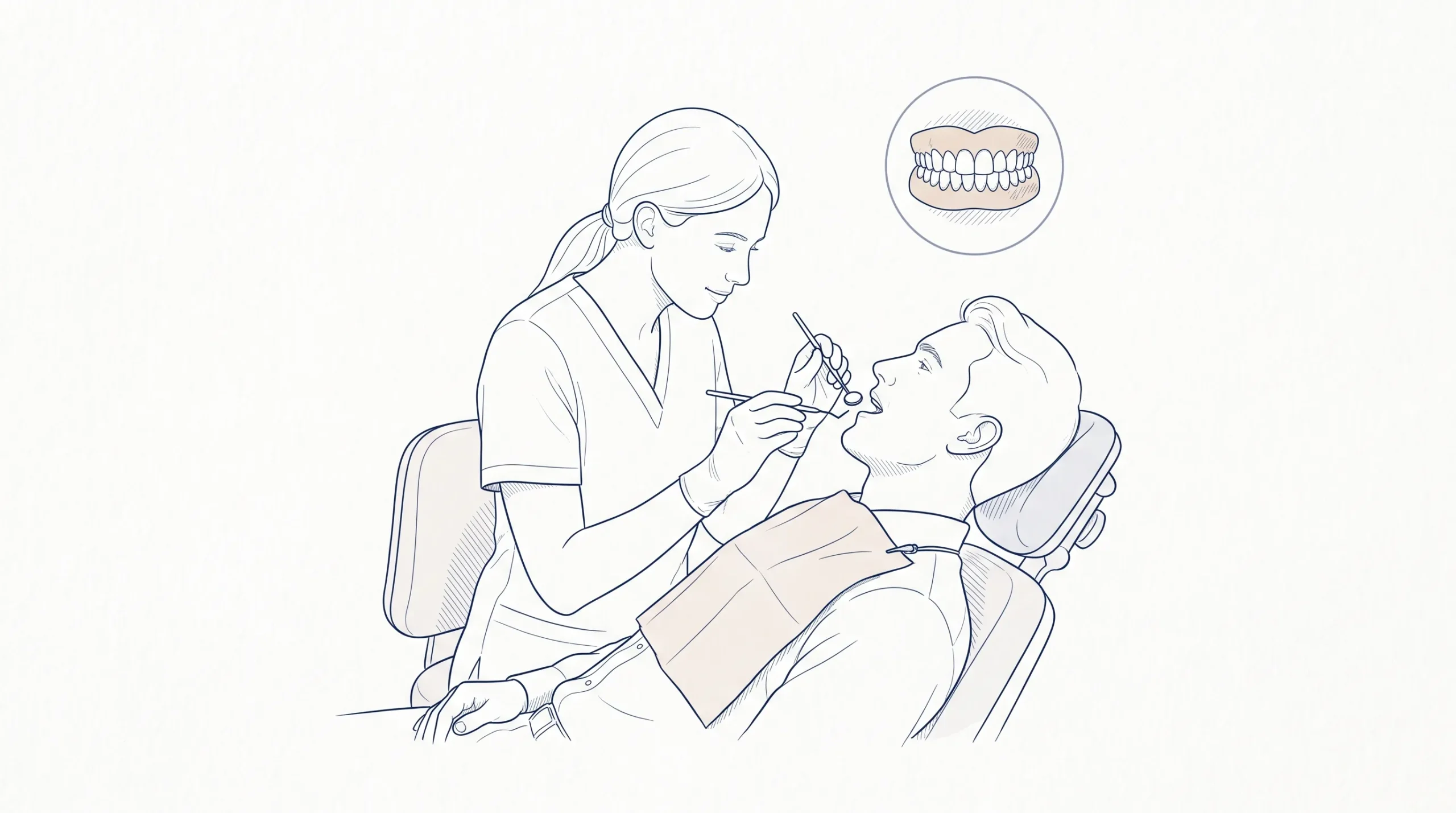
Cosmetic dentistry focuses on the appearance of teeth and the smile, but it should still begin with oral health. Teeth whitening, composite bonding, veneers and clear aligners may be discussed depending on the concern. Your dentist should also explain limitations, maintenance, possible risks and alternatives.
Cosmetic services in dental clinic settings should not be treated as one-size-fits-all. For example, whitening may not change the colour of existing crowns or fillings. Veneers may involve removing some tooth structure. Clear aligners may be suitable for some alignment concerns, but not all bite or jaw issues. Gum health, decay, tooth wear and grinding may need to be addressed before cosmetic work is considered.
Clear aligners are removable trays designed to gradually move teeth under professional supervision. They may be discussed for mild to moderate alignment concerns, depending on the case. A dentist needs to assess the bite, tooth positions, gum support and oral hygiene before advising whether aligners may be suitable.
Cosmetic treatment is a personal choice, not a requirement. A balanced consultation should help you understand what is possible, what is not advisable and what ongoing care may be needed.
Dental implants, dentures and missing tooth options
If one or more teeth are missing, a general dental clinic may discuss replacement options such as dentures, bridges or dental implants. Each option has different requirements, maintenance needs, benefits, limitations and costs.
Dentures are removable appliances that replace missing teeth. They may replace several teeth or a full arch. Some people adapt well to dentures, while others need adjustments or time to become comfortable with them.
A bridge is a fixed restoration that uses neighbouring teeth or other supports to replace a missing tooth or teeth. This may involve preparing adjacent teeth, so suitability needs careful assessment.
Dental implants are small fixtures placed into the jawbone to support a crown, bridge or denture. Implant treatment involves surgical and restorative stages. Suitability depends on factors such as bone volume, gum health, medical history, smoking status, oral hygiene and individual anatomy. Not every patient is a candidate, and referral or additional procedures may sometimes be required.
Your dentist can compare these options with you after examining your mouth and discussing your priorities.
Gum health and periodontal care
Gum care is another important part of general dentistry. Gingivitis is gum inflammation that may cause bleeding, redness or tenderness. Periodontitis, often called gum disease, can affect the supporting bone and tissues around teeth.
Early gum concerns may improve with professional cleaning and consistent home care. More advanced gum disease may need deeper cleaning, ongoing monitoring and, in some cases, referral to a periodontist, which is a dentist with specialist training in gum conditions.
Common signs to mention at an appointment include bleeding when brushing, bad breath that does not settle, loose teeth, gum recession, changes in how teeth meet or tenderness when chewing. These symptoms do not confirm a diagnosis on their own, but they are worth assessing.
Gum health is also relevant before cosmetic dentistry, clear aligners, implants, crowns and dentures are planned.
Sleep dentistry and anxious patients
Some general dental clinics offer sedation options, sometimes described as sleep dentistry. Despite the name, the level of sedation can vary, and not every patient is asleep. Sedation may be considered for people with dental anxiety, a strong gag reflex, complex treatment needs or difficulty tolerating longer appointments.
Sedation requires careful assessment. Your dentist may ask about medical conditions, medications, allergies, previous sedation experiences and whether you have someone to take you home afterwards. Some patients may not be suitable for sedation in a general dental setting, or may need treatment in another environment.
Sedation can help some people manage dental care, but it does not remove all risks. Your dentist should explain the proposed method, possible side effects, fasting instructions where relevant and alternatives before treatment.
Behind-the-scenes services that support safe care
Patients usually notice the appointment, the chair and the conversation with the dentist. A dental clinic also relies on systems that are less visible, such as sterilisation processes, clinical records, treatment planning, equipment maintenance and safe storage of materials.
Storage standards matter in many industries. Outside healthcare, a business might compare options such as shipping containers for secure equipment storage when it needs durable space for equipment. In a dental clinic, storage is more specific because instruments, materials and patient records must be handled in ways that support infection prevention, privacy and clinical safety.
These background systems do not replace clinical skill or personalised assessment, but they are part of how a clinic provides consistent day-to-day care.
What happens at a first appointment?
Before recommending services in dental clinic care, your dentist usually needs to understand your current oral health and what has brought you in. A first appointment may include a discussion about symptoms, medical history, medications, allergies, past dental experiences and any concerns about treatment.
Your dentist may examine the teeth, gums, bite, jaw and soft tissues. X-rays, photographs or scans may be suggested when they would help with diagnosis or treatment planning. After the assessment, the dentist can explain findings in plain language and outline options.
It is reasonable to ask about:
- What the problem appears to be
- Whether treatment is needed now or can be monitored
- The benefits, limitations and risks of each option
- Whether there are alternatives
- How many appointments may be involved
- Likely costs and whether payment plans are available
- What to expect after treatment
If you are unsure what to take with you, this guide on what to bring to your dental appointment in Beenleigh may be useful.
When might a general dental clinic refer you?
A general dental clinic can manage many dental needs, but referral is sometimes appropriate. This is not a sign that something has gone wrong. It may simply mean your care would be better supported by a dentist with specialist registration, specific equipment or a hospital-based setting.
Referral may be discussed for complex wisdom tooth removal, advanced gum disease, difficult root canal treatment, complex orthodontic issues, oral surgery, certain oral medicine concerns or care requiring higher-level medical support.
Your dentist should explain why referral is being recommended and what the next step involves. In some cases, your general dentist and the referred practitioner may both remain involved in your care.
How to decide which services are suitable for you
The right services in dental clinic care depend on more than a symptom or a cosmetic concern. A tooth that looks small and manageable to a patient may have deeper cracks or nerve involvement. A missing tooth replacement option may depend on gum health, bone levels and the condition of neighbouring teeth. A cosmetic option may need preventive or restorative care first.
A good discussion should be clear, balanced and personal to your situation. You should be given time to ask questions and consider your options, especially for treatment that involves multiple appointments, higher costs or irreversible changes to tooth structure.
It can also help to tell the dental team if you feel anxious, have had a difficult dental experience before, are managing a medical condition or need to plan treatment around work, caring responsibilities or finances. These details can affect timing and planning.
Frequently asked questions
Do general dental clinics provide cosmetic dentistry? Many general dental clinics discuss cosmetic options such as whitening, bonding, veneers or clear aligners. Suitability depends on your oral health, the condition of your teeth and gums, your goals and the risks and limitations of each option.
Can a general dental clinic treat dental emergencies? Many clinics offer emergency or same-day appointments for concerns such as toothache, swelling, broken teeth or dental trauma. Some situations may need referral or hospital care, especially if swelling affects breathing or swallowing.
Are dental implants available at a general dental clinic? Some general dental clinics discuss or provide implant-related care, while other cases may involve referral. Implant suitability depends on bone volume, gum health, medical history, oral hygiene and individual anatomy.
What services in dental clinic appointments are usually included in a check-up? A routine visit may include an oral examination, gum assessment, discussion of symptoms, oral hygiene advice and X-rays if clinically indicated. A professional clean may also be recommended depending on your needs.
How do I know whether I need a filling, crown or root canal treatment? You cannot reliably tell without an examination. Your dentist may use symptoms, clinical tests and X-rays to explain what is happening and discuss options, including the potential benefits, risks and alternatives.
Discussing dental care in Beenleigh
General dental clinics can provide a broad range of care, from routine check-ups and children’s dentistry to emergency appointments, restorative treatment and cosmetic discussions. The most appropriate option depends on your individual circumstances, not just the name of the service.
If you would like to discuss a dental concern, a consultation at Beenleigh Dental can help assess your oral health and outline options that may be suitable for you. Treatment outcomes and experiences vary between patients, and your dentist can explain the potential benefits, limitations, risks and alternatives before you decide how to proceed.