
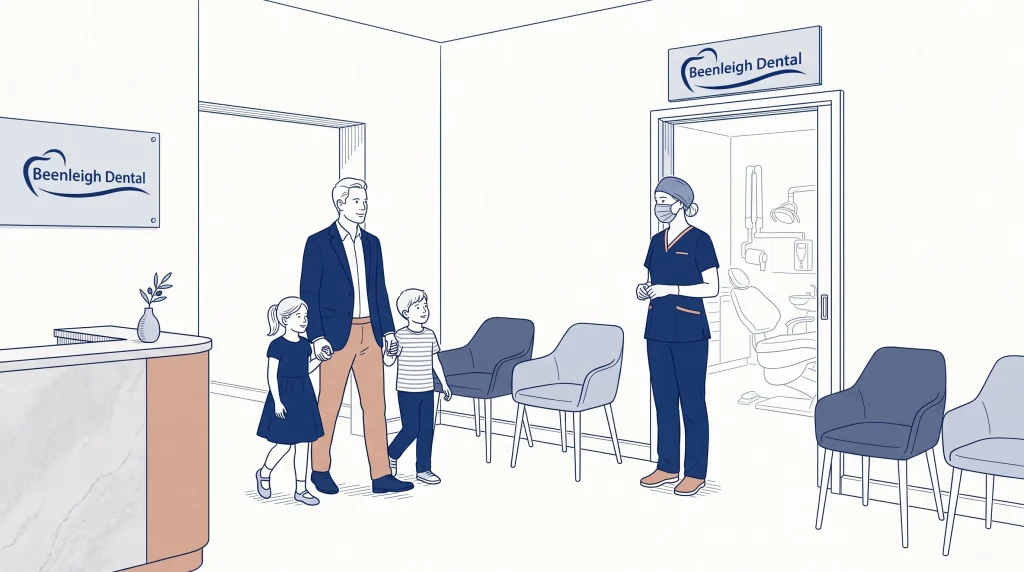
Choosing a family dental clinic is less about one appointment and more about having a familiar place your household can return to as needs change. Children, teenagers, adults and older family members all have different oral health risks, habits and treatment goals. A clinic that sees people across life stages can keep records in one place, notice changes over time and explain options in a way that suits each person.
For families in Beenleigh, Eagleby, Mount Warren Park, Waterford, Loganholme, Bethania and nearby areas, this can make dental care feel more organised. It can also help parents plan appointments around school, work and other commitments without treating each visit as a separate problem.
How a family dental clinic supports care over time
A dental visit is not only about checking whether a tooth hurts. Your dentist looks at your teeth, gums, bite, existing fillings, signs of wear, oral hygiene and any concerns you raise. Over time, these records can help show whether something is stable, improving or changing.
The value of a family dental clinic is continuity. For example, a child who starts with simple check-ups may later need advice about mouthguards, tooth eruption or orthodontic concerns. An adult may need gum care, a filling, a discussion about whitening or help managing tooth wear. An older person may need support with dry mouth, dentures, implants or changes linked to medicines.
This does not mean everyone needs treatment at every visit. In many cases, the most useful part of an appointment is understanding what is happening and what can reasonably be monitored.
| Life stage | Common dental focus | What the appointment may include |
|---|---|---|
| Babies and young children | Tooth eruption, brushing habits, diet, comfort with visits | Gentle examination, parent guidance and prevention advice |
| School-age children | Decay risk, fissures, mouthguards, oral hygiene routines | Check-up, cleaning if needed and practical home care tips |
| Teenagers | Wisdom teeth, sports injuries, orthodontic concerns, diet | Assessment, X-rays when clinically indicated and options discussion |
| Adults | Gum health, tooth wear, restorations, cosmetic goals | Oral health check, personalised advice and treatment planning |
| Older adults | Dry mouth, dentures, implants, gum disease, medical history | Review of oral tissues, function, comfort and maintenance needs |
Supporting babies and young children without pressure
Early dental care is mostly about helping children become familiar with the setting and giving parents clear advice. A first visit may be short and gentle. The dentist may count teeth, check gum tissues, look for early signs of decay and talk about brushing, fluoride toothpaste, bottle use, snacks and thumb sucking if relevant.
A family dental clinic can also help parents understand what is normal and what should be checked. Baby teeth matter because they help children chew, speak and hold space for adult teeth. If decay or injury affects a baby tooth, the right approach depends on the child’s age, the tooth involved and the severity of the issue.
Some children feel unsure about dental appointments, especially if they have had discomfort before. Calm preparation at home can help. Beenleigh Dental has a helpful guide on preparing children for dental check-ups that explains how to make visits feel more predictable without making promises about what will happen.
School-age children and teenagers need changing advice
As children grow, their risks change. School-age children may have deeper grooves in molars, developing brushing independence, sports participation and changing food choices. Teenagers may also be managing braces, clear aligners, wisdom tooth development, energy drinks or busy routines that make regular brushing harder.
A family dental clinic can help families adjust advice rather than repeating the same message at every age. Younger children may need parent-assisted brushing. Older children may need help learning how to clean around orthodontic appliances. Teenagers may need a practical discussion about mouthguards, tooth erosion from acidic drinks or whether orthodontic assessment is worth considering.
If treatment is recommended, it should be based on an individual assessment. For example, clear aligners may be considered for some patients, but suitability depends on tooth position, bite, gum health, oral hygiene and treatment goals. Your dentist can explain possible benefits, limitations, alternatives and risks before you decide whether to proceed.
Adults benefit from prevention, maintenance and realistic options
For adults, dental appointments often focus on prevention and maintaining function. This may include checking for early decay, gum inflammation, cracked teeth, tooth wear from grinding, sensitivity or issues with existing fillings and crowns. Some adults attend only when something hurts, but many dental problems are easier to discuss when they are found earlier.
A family dental clinic can also support adults who are weighing up cosmetic or restorative options. Whitening, veneers, crowns, implants and dentures all have different purposes, limits and maintenance needs. Cosmetic treatment is a personal choice and should not be presented as necessary for social acceptance. A consultation can help clarify what is clinically appropriate, what alternatives exist and what risks may apply.
Major life events can prompt people to think about their teeth in photos or face-to-face settings. If a wedding is coming up, it is sensible to leave enough time for a dental discussion rather than rushing into cosmetic treatment close to the date.
Older adults may need a different kind of dental support
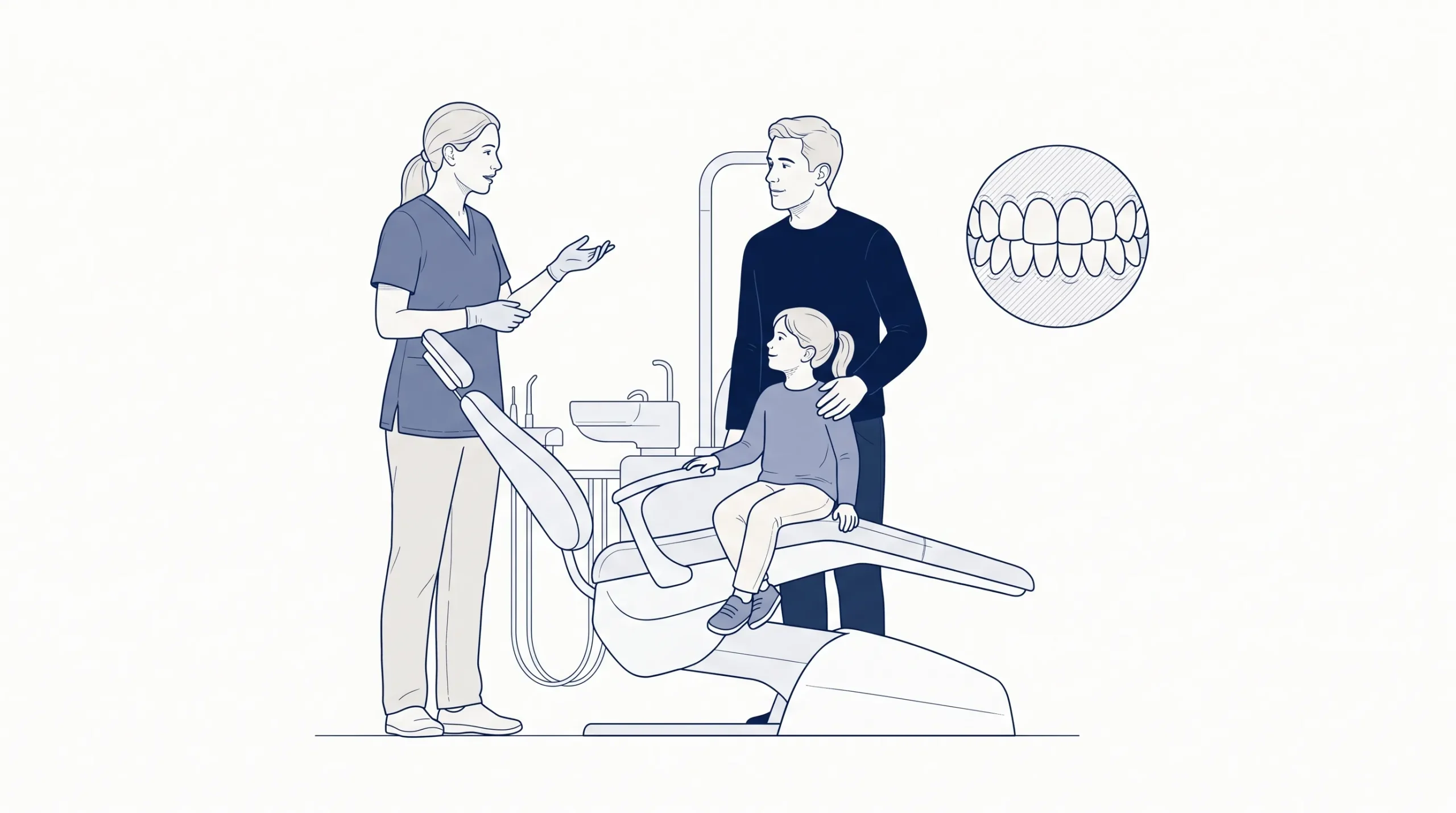
Oral health needs can become more complex with age. Some people take medicines that contribute to dry mouth, which can increase the risk of decay and discomfort. Others may be managing gum disease, worn teeth, dentures, implants, reduced dexterity or medical conditions that affect dental treatment planning.
A family dental clinic may help by reviewing the whole picture, not only one tooth. This can include checking how dentures fit, whether existing restorations are still functioning well, how easy it is to clean around dental work and whether any symptoms need further investigation.
Treatment decisions for older adults should be practical and individual. For one person, a simple repair may be appropriate. For another, a denture adjustment, implant consultation or staged treatment plan may be discussed. All dental procedures carry potential risks and benefits, and suitability depends on oral health, medical history, anatomy, personal preferences and financial considerations.
Beenleigh Dental offers general, restorative and denture-related care, with payment plans available. The right approach can only be discussed after an examination and a conversation about your circumstances.
Dental emergencies and unexpected problems across the family
Even with good home care, dental problems can happen suddenly. A child may knock a tooth during sport, a teenager may develop wisdom tooth discomfort, an adult may crack a filling or an older person may have denture soreness. Dental emergencies vary in seriousness, so it is reasonable to contact a dental clinic for guidance if you are unsure.
A family dental clinic is useful because the team may already know your dental history, medical considerations and previous treatment. That background can make it easier to assess what has changed and what options may be appropriate.
Some symptoms should be assessed promptly, including facial swelling, uncontrolled bleeding, dental trauma, severe toothache, signs of infection or difficulty opening the mouth. If symptoms affect breathing, swallowing or general wellbeing, urgent medical care may be needed. For less severe issues, a dental appointment can help identify the cause and discuss treatment choices.
Sleep dentistry or sedation may be suitable for some patients who need certain procedures or who experience significant dental anxiety, but it is not appropriate for everyone. A dentist must assess medical history, treatment needs and safety considerations first.
Making dental visits easier for busy households
For many families, the challenge is not knowing dental care matters. It is finding time for appointments, transport, school pick-ups, work schedules and children who feel nervous. Planning ahead can reduce stress and make visits easier to manage.
A family dental clinic may be able to coordinate appointments for multiple family members, depending on availability and clinical needs. Some families prefer grouping check-ups together. Others find separate visits work better, especially when a child needs extra reassurance or an adult requires a longer consultation.
If you are organising several appointments, it can help to write down each person’s concerns beforehand. Mention symptoms, medicines, past dental experiences, pregnancy, allergies, jaw problems, grinding or any treatment preferences. These details can affect what your dentist recommends.
For practical ideas, this Beenleigh Dental article on planning family dental visits around school and work covers ways to make appointments fit more comfortably into everyday routines.
What to expect at a family dental appointment
A general dental appointment usually starts with a conversation. The dentist may ask about symptoms, home care, medical history and any changes since your last visit. They may then examine your teeth, gums and mouth. X-rays may be recommended if they are clinically indicated, such as when checking between teeth, assessing infection, reviewing wisdom teeth or planning treatment.
A family dental clinic should explain findings in plain language and give you time to ask questions. If treatment is suggested, you can ask about the reason, alternatives, expected appointments, possible risks, likely maintenance and costs. It is reasonable to take time to consider non-urgent treatment.
A routine check can reveal more than cavities. It may show gum inflammation, tooth wear, cracks, bite changes or problems with older dental work. Beenleigh Dental has more detail on what an oral health check can reveal if you would like to understand what dentists look for during an examination.
Choosing a clinic that fits your household
The right dental setting is not the same for every family. Some people value appointment flexibility. Others prioritise a calm approach for children, clear explanations, payment options, emergency availability or access to services such as implants, dentures, clear aligners and cosmetic consultations.
When considering a family dental clinic, look for communication that feels respectful and balanced. Dental advice should acknowledge benefits, limitations and alternatives. It should not pressure you into treatment or make you feel embarrassed about your oral health.
Local access also matters. For families around Beenleigh and the Logan and northern Gold Coast corridor, having a nearby clinic can make preventive visits, follow-up appointments and emergency care more manageable. Beenleigh Dental welcomes new patients and offers online appointment booking for people who would like to arrange an assessment.
Frequently asked questions
How often should my family have dental check-ups? The right interval varies. Many people benefit from regular check-ups, but timing depends on decay risk, gum health, medical history, age, symptoms and previous dental treatment. Your dentist can recommend a recall period after assessing your mouth.
Can children and adults attend the same clinic? Yes, many general dental clinics care for both children and adults. This can be convenient for families and may help maintain consistent records, although each person still needs individual assessment and advice.
Do all children need dental X-rays? No. X-rays are only recommended when clinically indicated. A dentist may suggest them to check areas that cannot be seen directly, assess development or investigate symptoms, but they are not needed at every visit for every child.
Is cosmetic dentistry suitable for everyone? Not always. Cosmetic options depend on gum health, tooth structure, bite, oral hygiene, expectations and the condition of existing teeth. Your dentist can explain whether a treatment may be suitable and what alternatives may be available.
What should I do if someone in my family has a dental emergency? Contact a dental clinic for advice as soon as practical, especially for trauma, swelling, severe pain or a broken tooth. If there are symptoms affecting breathing, swallowing or general health, seek urgent medical care.
Discussing family dental care in Beenleigh
A dental examination can help determine what each family member needs and which options may be appropriate. If you live in or near Beenleigh and would like to discuss children’s dentistry, general care, cosmetic options, emergency concerns, dentures, implants or clear aligners, you can book an appointment with the team at Beenleigh Dental.
Your dentist can assess your oral health, explain findings clearly and outline potential benefits, risks and alternatives before any treatment decision is made.