
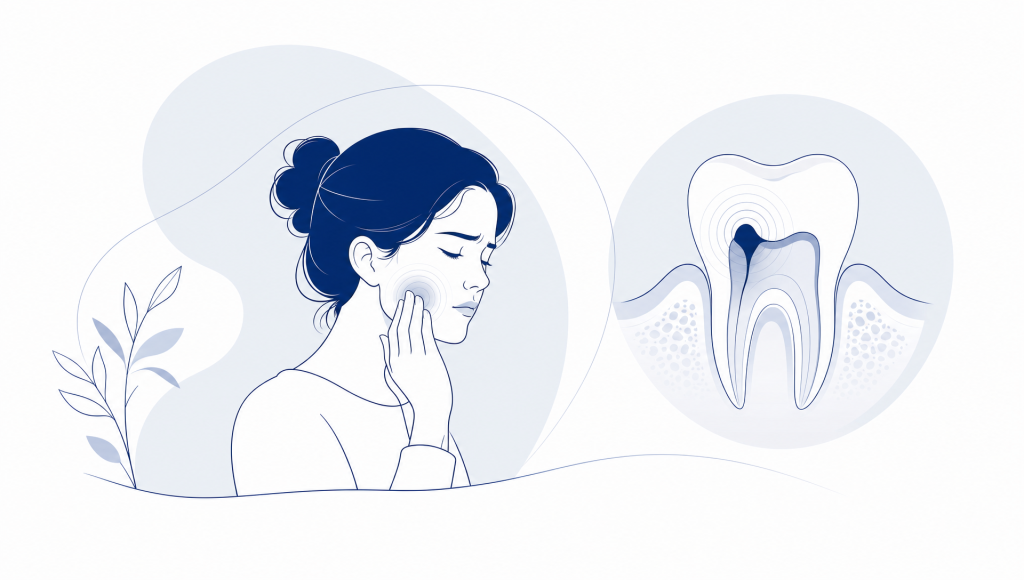
Dental pain rarely waits for a convenient time. A tooth can start throbbing during work, a crown can come loose over lunch, or a child can chip a tooth on the weekend. When that happens, the most important question is simple: do you need a dentist today, or can it safely wait?
This guide explains how to recognise urgent dental problems, what to do before your appointment, and when you should seek emergency medical care instead of waiting for a dental clinic. It is general information, not a diagnosis, but it can help you act quickly and avoid making the problem worse.
Is it a dental emergency or can it wait?
A dental emergency is any problem that involves severe pain, infection, bleeding, trauma, or a risk of losing a tooth. Some issues need immediate attention within minutes, while others should be seen on the same day or within the next day or two.
If you are unsure, it is safer to contact a dental clinic and describe your symptoms. Dental teams are used to triaging urgent problems and can help you decide the next step.
| Dental problem | How urgent is it? | What to do now |
|---|---|---|
| Knocked-out adult tooth | Immediate | Keep the tooth moist and see a dentist as soon as possible |
| Facial swelling, fever, trouble swallowing or breathing | Medical emergency | Call 000 or go to an emergency department |
| Severe toothache that stops sleep or daily activities | Same day | Call a dentist, rinse gently, use appropriate pain relief if safe |
| Broken tooth with pain or a sharp edge | Same day | Save fragments, avoid chewing on that side, book urgently |
| Dental abscess, gum boil, pus or swelling | Same day | Do not squeeze it, seek urgent dental care |
| Lost filling or crown with sensitivity | Soon, often same day | Keep the crown if you have it, avoid hard foods |
| Mild sensitivity with no swelling or severe pain | Not usually emergency | Book a check-up soon, especially if it persists |
Healthdirect advises that dental emergencies can require urgent dental care, and that severe injuries, swelling, or breathing problems may require emergency medical help. If your symptoms feel serious or are getting worse quickly, do not wait.
Red flags that need immediate medical care
Most dental pain is best treated by a dentist. However, some symptoms can signal a spreading infection, significant trauma, or another medical risk.
Call 000 or go to the nearest emergency department if you have:
- Swelling that affects your eye, neck, jaw, or throat
- Difficulty breathing, swallowing, or opening your mouth
- Fever, confusion, dizziness, or feeling very unwell
- Uncontrolled bleeding after injury or dental treatment
- A suspected broken jaw or serious facial injury
- Rapidly worsening swelling after a toothache or gum infection
Dental infections can spread beyond the tooth. Do not try to manage severe swelling with leftover antibiotics, painkillers alone, or home remedies. Antibiotics, when needed, should be prescribed after a proper assessment, and the source of the infection still needs dental treatment.
What to do right now for common urgent dental problems
The steps you take before you reach the clinic can affect the outcome, especially with trauma or infection. Here is how to manage the most common urgent dental situations.
Severe toothache
A severe toothache can come from deep decay, a cracked tooth, nerve inflammation, gum infection, or pressure from wisdom teeth. Pain that wakes you up, throbs constantly, or worsens when you bite should be checked urgently.
Rinse your mouth gently with warm water. If food is trapped, carefully clean around the tooth with floss, but do not force anything under the gum. A cold compress on the outside of the face may help if there is swelling. You may use over-the-counter pain relief if it is safe for you, following the label or advice from a pharmacist or doctor.
Avoid placing aspirin directly on the gum or tooth. It can burn the soft tissue and will not fix the underlying problem. Also avoid using heat on facial swelling, as it may worsen inflammation.
Knocked-out adult tooth
A knocked-out adult tooth is one of the most time-sensitive dental emergencies. Fast action can improve the chance of saving the tooth.
Handle the tooth by the crown, which is the white chewing part, not the root. If it is dirty, gently rinse it with milk or saline if available. Do not scrub the root and do not remove attached tissue. If you can, place the tooth back into the socket and hold it in position by gently biting on clean gauze or cloth.
If you cannot reinsert it, keep it moist in milk or saliva. Do not let it dry out, and avoid storing it in plain water for a long time. The Australian Dental Association's dental trauma advice also stresses the importance of keeping the tooth moist and seeking urgent dental care.
Do not reinsert a knocked-out baby tooth. This can damage the developing adult tooth underneath. A child should still be seen by a dentist promptly to check for injury, pain, or fragments.
Broken, cracked, or chipped tooth
A small chip may not hurt at first, but a deeper crack can expose the nerve or split further under biting pressure. If there is pain, sensitivity, bleeding, or a sharp edge cutting your cheek or tongue, book an urgent appointment.
Rinse your mouth gently and save any broken pieces if you can find them. Avoid chewing on that side. If the edge is sharp, temporary dental wax from a pharmacy may help protect your cheek until you are seen. Do not use household glue or attempt to permanently reattach a fragment yourself.
Swelling, gum boil, or suspected abscess
A gum boil, pus, bad taste, swelling, or pain when biting can indicate infection. Even if the pain suddenly improves, the infection may still be present. Sometimes pain reduces when pressure drains through the gum, but that does not mean the tooth has healed.
Do not squeeze the swelling. Rinsing gently with warm salty water may help keep the area clean, but it is not a cure. You need a dental assessment to identify whether the cause is decay, gum disease, trauma, or another issue.
Lost filling, loose crown, or broken denture
A lost filling or crown can expose sensitive tooth structure and allow bacteria to enter. If the tooth is painful, sensitive to air or cold, or sharp, it is best to see a dentist quickly.
Keep the crown in a safe container and bring it with you. Avoid sticky, hard, or crunchy foods. Pharmacy temporary filling material may reduce sensitivity for a short time, but it should not replace professional treatment.
If a denture breaks, avoid wearing it if it rubs, cuts, or no longer fits correctly. Do not use superglue in your mouth. It can irritate tissue and make repair more difficult.
How to get seen by a dentist today
When you need urgent help, the way you contact the clinic matters. Be clear and specific about your symptoms so the dental team can understand the level of urgency.
When you call or book online, mention the main problem first: severe toothache, swelling, broken tooth, knocked-out tooth, bleeding, or injury. Then explain when it started, whether pain is constant or comes and goes, whether you have swelling or fever, and whether you can eat, sleep, swallow, and open your mouth normally.
If you are in Beenleigh or nearby and need emergency dental care, you can contact Beenleigh Dental to ask about the earliest available appointment or use online appointment booking. New patients are welcome, and if your treatment is more involved than a simple urgent fix, you can ask about treatment consultations and available payment plans.
Before you leave for the appointment, bring:
- A list of medicines, allergies, and medical conditions
- Any broken tooth pieces, crown, aligner, denture, or appliance
- Your health fund details, if relevant
- Details of recent dental treatment or X-rays, if you have them
- A support person if you are anxious, unwell, or bringing a child
If you are nervous about treatment, tell the clinic early. Options such as sleep dentistry sedation may be appropriate for some patients and situations, but suitability depends on your health, the treatment required, and the timing of the appointment.
What happens at an urgent dental appointment?
The first goal is to diagnose the problem and get you out of immediate pain or risk. An urgent visit may involve an examination, X-rays if needed, cleaning around the area, temporary stabilisation, or treatment to address infection or trauma.
The dentist will usually explain what is happening, what needs to be done today, and what can be planned for later. Sometimes the solution is straightforward, such as smoothing a sharp edge or replacing a temporary filling. Other times, urgent care is the first step in a larger plan, such as root canal treatment, extraction, crown work, dentures, or dental implants.
| Urgent appointment finding | Possible next step |
|---|---|
| Deep decay causing nerve pain | Pain control, temporary dressing, root canal discussion, or extraction discussion |
| Broken tooth with restorable structure | Repair, bonding, temporary protection, or crown planning |
| Abscess or swelling | Drainage if appropriate, infection management, and treatment of the source |
| Lost crown | Recementing if suitable or planning a replacement |
| Tooth knocked out or moved | Repositioning, splinting, X-rays, and follow-up care |
| Damaged denture | Assessment, repair options, or replacement discussion |
A good urgent appointment should not leave you confused. Before you go home, ask what warning signs to watch for, how to care for the area, what foods to avoid, and when to return.
Special advice for children with urgent dental problems
Children may struggle to explain dental pain clearly. Watch for changes such as refusing food, chewing on one side, waking at night, swelling, fever, bad breath, or avoiding brushing around one area.
If a child chips or knocks a tooth, stay calm and check for bleeding, broken pieces, or signs of head injury. If there was a fall, sports collision, or facial trauma, consider whether medical assessment is needed as well as dental care.
For a knocked-out baby tooth, do not put it back in the socket. For an adult tooth, keep it moist and seek urgent dental care immediately. If you are unsure whether the tooth is baby or adult, call a dentist and ask for guidance.
After the urgent issue is managed, prevention becomes important. Children with deep grooves in their back teeth may benefit from learning about fissure sealants, which can help protect vulnerable chewing surfaces from decay when recommended by a dentist.
How to reduce the risk of another dental emergency
Not every dental emergency can be prevented, especially accidents and sports injuries. Many urgent dental visits, however, begin as small problems that were easy to ignore: a bit of sensitivity, a loose filling, bleeding gums, or a tooth that only hurt when biting.
Regular check-ups help detect cracks, decay, gum inflammation, and failing restorations before they become painful. If you grind your teeth, play contact sport, or frequently break fillings, ask your dentist about protective options such as a mouthguard or treatment plan.
Daily prevention matters too. Brush twice a day with fluoride toothpaste, clean between teeth, limit frequent sugary snacks and drinks, and do not ignore bleeding gums. If you want a deeper explanation of how fluoride protects enamel, Beenleigh Dental's guide to fluoride and tooth decay is a helpful place to start.
Most importantly, do not wait for pain to become severe. A small chip, mild sensitivity, or occasional gum swelling is often easier to treat early than after it becomes an urgent dental problem.
Frequently Asked Questions
Can a dentist remove a tooth on the same day? Sometimes, yes. It depends on the diagnosis, your medical history, the level of infection or swelling, and whether removal is the safest option. The dentist will assess you first and explain suitable choices.
Should I go to hospital for a toothache? A dentist is usually the best place for toothache. Go to hospital or call 000 if you have trouble breathing or swallowing, rapidly spreading swelling, serious facial trauma, uncontrolled bleeding, fever with severe swelling, or you feel very unwell.
What can I take for dental pain while waiting for an appointment? Use over-the-counter pain relief only if it is safe for you, and follow the label or advice from a pharmacist or doctor. Avoid placing aspirin on the gum, and do not use someone else's prescription medication.
Do I need antibiotics for a dental abscess? Not always. Antibiotics may be needed in some cases, but they do not remove the source of the infection. Dental treatment is usually required to address the cause, such as decay, a cracked tooth, or gum infection.
What if my crown or filling falls out but there is no pain? Book a dental appointment soon, even if it does not hurt. The exposed tooth may become sensitive, decay further, or break if left untreated.
Can I wait until tomorrow if my toothache comes and goes? Mild pain may be able to wait, but worsening pain, swelling, fever, pain when biting, or sleep-disrupting toothache should be assessed urgently. If in doubt, call a dental clinic and describe your symptoms.
Need a dentist today in Beenleigh?
If you have sudden toothache, swelling, a broken tooth, a lost crown, a denture problem, or a dental injury, act early. Prompt care can relieve pain, protect your teeth, and reduce the chance of complications.
Beenleigh Dental offers emergency dental care, family dentistry, restorative treatment, cosmetic options, children's dentistry, clear aligners, dental implants, dentures treatment, sleep dentistry sedation, online booking, and payment plans. If you need urgent help, contact the clinic to ask about appointment availability today.